
A headboard can change a bedroom’s balance faster than almost any other single furnishing. It adds height, introduces texture, and gives the bed a visual boundary without requiring new flooring, built-ins, or a full furniture set. The best headboard for a bedroom refresh is not simply the most fashionable option; it is the one that fits the bed, wall, cleaning routine, lease terms, and way the room is actually used.
For a flexible update, consider a freestanding or bed-frame-mounted design in wood, woven material, or easy-clean upholstery. Renters may prefer a lightweight wall panel or a headboard that attaches to the frame without drilling. Before buying, measure the mattress and base together, locate outlets, and decide whether the headboard should blend quietly or become the room’s focal point.
Measure the bed, wall, and walking space first
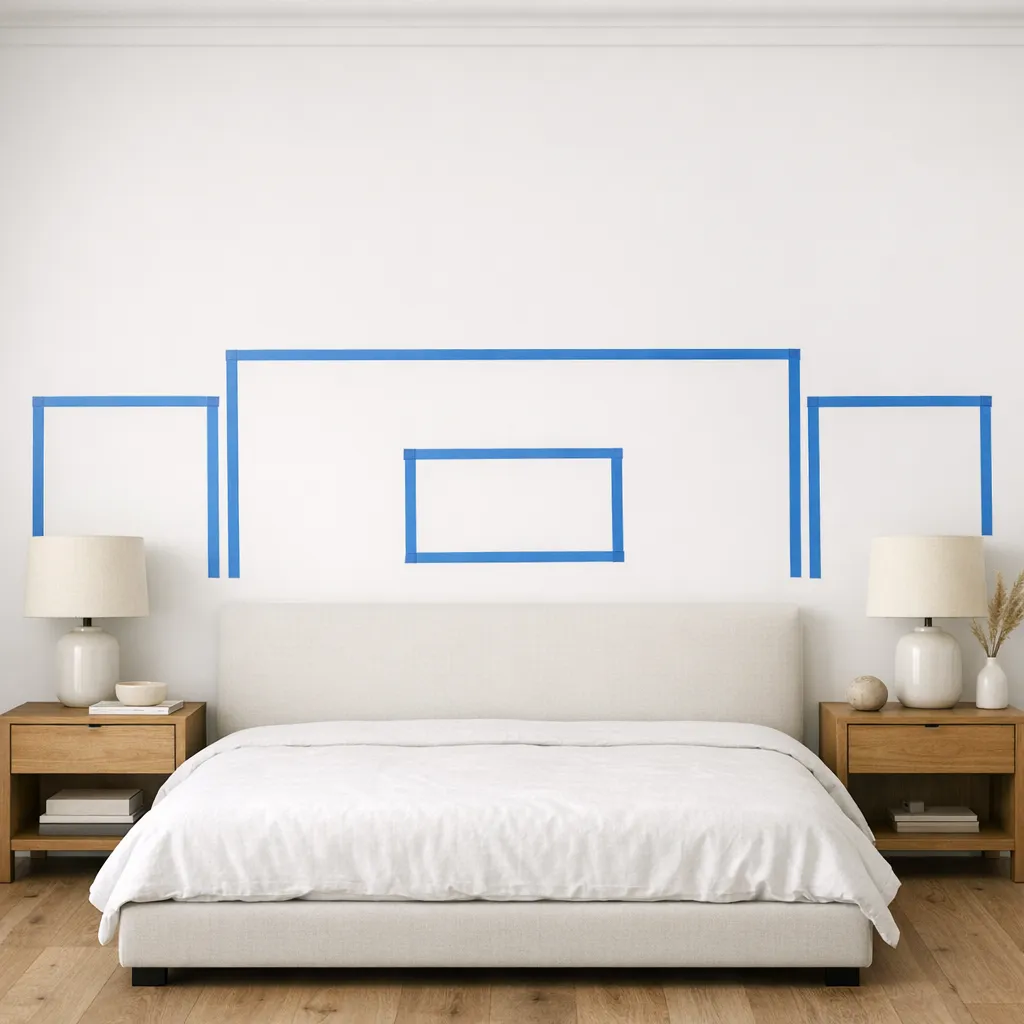
Start with the actual width of the bed frame rather than relying only on labels such as queen or king. Frames, adjustable bases, and upholstered side rails can extend beyond the nominal mattress dimensions. Measure from the outermost points, then mark the proposed headboard width on the wall with low-tack painter’s tape. This simple outline shows whether nightstands, sconces, switches, windows, or closet doors will feel crowded.
Height matters just as much. Measure from the floor and from the top of the mattress, including pillows you normally prop upright. A short headboard can disappear behind deep bedding, while a very tall one may overwhelm a low-ceiling room. Check the route from the front door to the bedroom too. A rigid one-piece headboard that fits the wall may not turn through a stairwell or hallway.
Choose how the headboard will be installed
Bed-frame-mounted headboards bolt to compatible brackets on the frame. They move with the bed and avoid wall holes, making them useful for renters, but they may wobble if the brackets are thin or the hardware is mismatched. Confirm hole spacing, bolt diameter, and whether an adapter plate is required. Do not improvise with undersized hardware that can loosen under normal movement.
Wall-mounted headboards can appear to float and allow independent height adjustment. They need appropriate anchors or direct attachment to studs based on weight and manufacturer instructions. Freestanding “floor-standing” designs are supported by the floor and typically secured to the wall or bed for stability. Adhesive-only panels are convenient, but removal can tear paint or drywall paper, so test the system and preserve lease documentation.
Upholstered headboards: soft, quiet, and comfortable
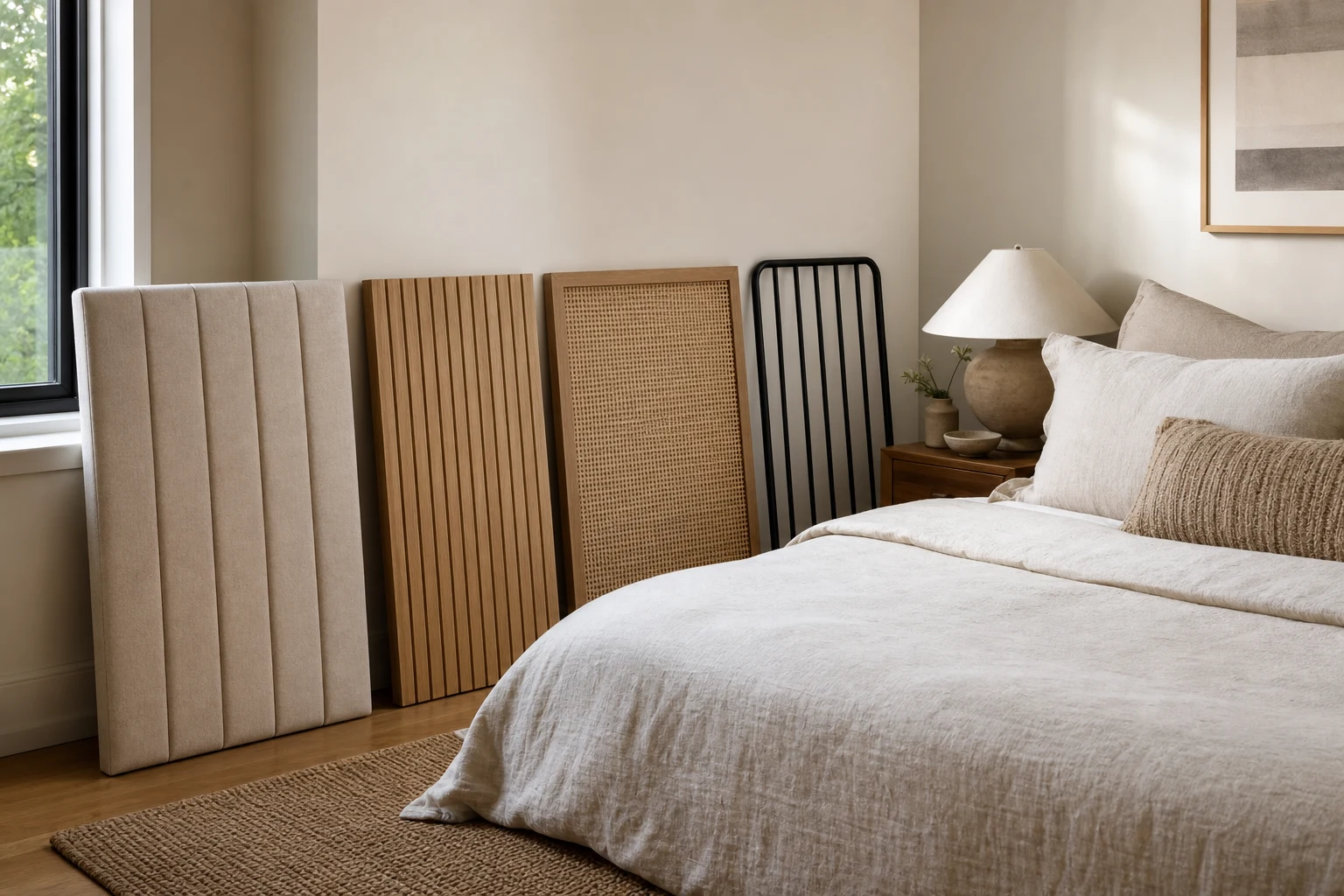
Upholstered designs are excellent for readers who sit up in bed. Foam and fabric soften the wall, absorb a little sound, and bring color into a plain room. Look for tightly fitted fabric, even seams, a stable internal frame, and a surface that can be vacuumed. Performance fabric or a removable cover is practical in rooms exposed to makeup, hair products, breakfast, or pets.
The tradeoff is maintenance. Deep button tufting collects dust, and pale linen-like fabrics can show oils and marks. People with allergies may prefer a smoother textile or a non-upholstered surface. When shopping, terms such as upholstered headboard can help compare mounting styles, but verify dimensions and attachment details on the specific product rather than relying on listing photos.
Wood headboards: durable structure and visual warmth
Wood works across traditional, rustic, Scandinavian, and modern rooms. Slatted designs feel lighter and preserve more wall visibility; broad panels create a stronger architectural backdrop. Solid wood can often be repaired or refinished, while veneered and engineered products may offer a consistent appearance at lower cost. Inspect edges, back surfaces, and finish information, especially if the headboard will sit near a radiator or sunny window.
A heavy wood headboard needs secure installation and floor protection. Felt pads can prevent scuffs where legs contact hard flooring, but they do not replace anchoring when the design requires it. Avoid sharp projecting corners in narrow paths. Reclaimed wood can be attractive, yet it should be clean, dry, free from protruding nails, and appropriately finished before entering a sleeping space.
Cane, rattan, and woven styles: texture without visual weight
Cane and rattan headboards add pattern while allowing the wall color to remain visible. They suit compact rooms because the open weave does not form a visually solid block. Natural variation is part of their character, but brittle strands, rough edges, and weak joints are warning signs. Synthetic woven versions may be easier to clean and more consistent, though they can feel less organic.
Dust the weave with a soft brush attachment and avoid saturating natural fibers. In very dry or humid environments, follow care guidance because repeated expansion and contraction may loosen material. Woven headboards are not climbing structures; secure them properly, especially in family homes. Pair their texture with simpler bedding so the room looks layered rather than busy.
Metal headboards: slim, graphic, and easy to maintain
A metal headboard can introduce a crisp outline without taking much physical depth. Powder-coated steel is generally easy to wipe clean, and open designs work well where outlets or wall details need to remain accessible. Check welds, caps, hardware, and spacing. The frame should not have sharp burrs or decorative openings that create entrapment concerns in a child’s room.
Metal can rattle against a wall or transmit movement if loosely attached. Tighten hardware after initial use and add clear wall bumpers where allowed. Very ornate frames compete with patterned wallpaper, while a simple grid or arched outline can bridge vintage and modern furnishings. Verify whether the finish is matte, glossy, or intentionally distressed because online images can conceal texture.
Modular panels and renter-friendly alternatives
Individual upholstered or wood-look panels let you customize width and height, work around awkward architectural features, and transport the project in smaller pieces. They can create a built-in effect for less than custom millwork. Plan the entire grid on paper first, use a level, and leave access to electrical outlets. Any panel above the bed must be attached using a method rated for its weight and wall type.
For a no-build refresh, a folding screen placed behind the bed can act as a headboard if it is stabilized against tipping. A large textile can add softness, but it must not hang against hot fixtures, candles, or unsafe wiring. Painted color blocking is the least bulky option and is easy to reverse with primer, although renters should obtain permission. Removable peel-and-stick products can still damage weak paint, so test a hidden area.
Match the style to the room rather than a trend
Begin with the room’s strongest fixed elements: flooring tone, wall color, window trim, and existing case goods. A warm oak headboard can connect mismatched wood nightstands, while a muted upholstered headboard can calm a room with strong flooring. Exact furniture-set matching is not required. Repeating one undertone or shape usually creates more convincing cohesion than buying every piece from one collection.
Consider visual contrast. On a dark wall, a pale woven or upholstered form reads clearly; on white walls, medium wood or colored fabric provides definition. Rounded tops soften rooms dominated by rectangles. Channel-tufted vertical lines can make a low room feel taller, while a wide horizontal panel visually expands the bed wall. Save trend-led colors for replaceable covers or paint if you expect preferences to change.
Build a practical budget
The purchase price is only one part of the project. Include delivery, assembly, adapter brackets, anchors, tools, wall repair, and possible return shipping. Large upholstered headboards can be expensive to return. Read the packaged dimensions, confirm that components fit through the home, and inspect the return policy before ordering. Samples are useful when color accuracy matters.
Spend more where it improves safety, stability, comfort, or cleanability. Decorative branding is less important than a sound frame and suitable mounting system. A budget headboard can work well if it is correctly sized and secured; an expensive one will disappoint if it blocks outlets or shakes against the wall. Search results for a universal headboard bracket kit can illustrate adapter options, but compatibility must be confirmed for the frame.
Install it safely and finish the refresh
Follow the manufacturer’s instructions and use wall hardware appropriate for drywall, masonry, plaster, or studs. Locate concealed pipes and wiring before drilling. If the headboard is exceptionally heavy, unusually tall, or installed on uncertain masonry, hire a qualified installer. Recheck fasteners after the first week and periodically thereafter. Stop using a headboard that leans, rocks, or pulls away from its anchors.
Once installed, keep the bedding edit disciplined. Choose two or three repeated colors, vary texture, and leave enough clear surface on nightstands for daily use. Lamps or sconces should provide balanced light without cords stretched behind pinching points. The headboard should support the room’s function, not force every other item to become decorative clutter.
Headboard comparison table
| Type | Best for | Main tradeoff | Installation note |
|---|---|---|---|
| Upholstered | Sitting up, softness, color | Collects dust and marks | Frame or wall mount |
| Wood | Durability and warmth | Can be heavy | Secure per weight |
| Cane or rattan | Airy texture | Weave needs careful cleaning | Protect fragile edges |
| Metal | Slim profile and easy wiping | May rattle | Tighten and buffer contact |
| Modular panels | Custom dimensions | Alignment takes planning | Rate every attachment |
| Painted shape | Minimal cost and depth | No physical back support | Check lease permission |
Use this table to narrow the field, then make the final choice based on exact measurements and installation requirements. Material alone does not determine whether a headboard is suitable.
Frequently asked questions
Should a headboard be wider than the mattress?
It can be. Matching the mattress or frame width creates a compact look, while extending behind the nightstands makes a dramatic feature wall. Tape the proposed width on the wall first and ensure switches, drawers, and circulation remain usable.
Can renters install a wall-mounted headboard?
Only with lease permission and an acceptable fixing method. “Removable” adhesives can pull weak paint or drywall paper. A frame-mounted or properly stabilized floor-standing design is often easier to reverse, but it still needs to be safe and stable.
What is the easiest material to clean?
Smooth sealed wood and powder-coated metal are generally straightforward to dust and wipe according to their care instructions. Upholstery adds comfort but needs regular vacuuming, and woven fibers require a soft brush. Choose based on likely stains and sensitivity to dust.
Does a headboard need to attach to the bed?
No. It may attach to the bed frame, wall, or both, and some floor-standing models use their own legs. What matters is that the manufacturer-approved installation prevents wobbling, shifting, and tipping.
How high should a headboard rise above the mattress?
There is no universal number because mattress depth, pillows, ceiling height, and headboard shape differ. Mock up the visible area with tape, including the pillows in their normal position. Aim for enough exposed material to make the design intentional without crowding the wall.
The best headboards for a bedroom refresh combine proportion, comfort, and secure installation. Measure first, choose a material you can maintain, and use a mounting approach that suits both the wall and your living situation. With those decisions made carefully, one well-chosen piece can make familiar bedding and furniture feel newly composed.





Share your results
Reader transformations
Have you tried this makeover? Share your experience below.