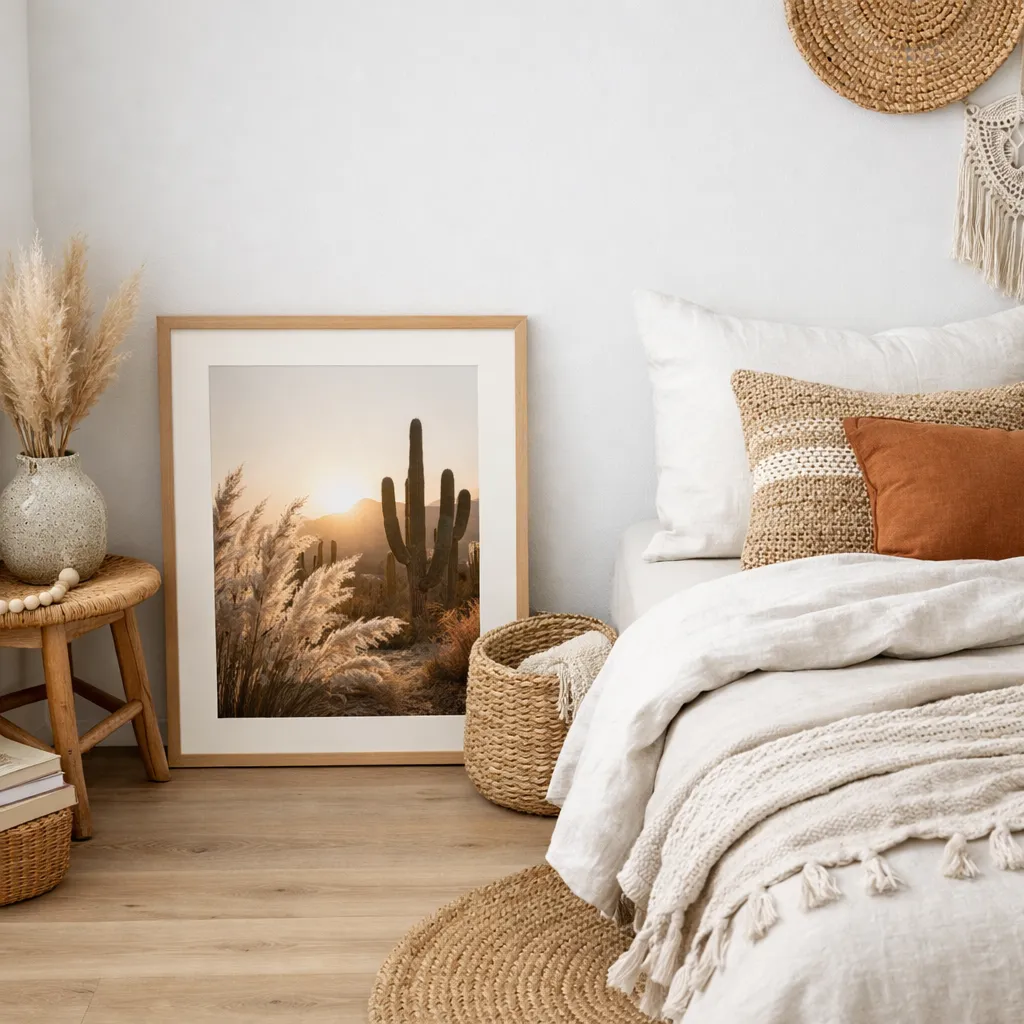
The most successful boho bedroom makeover ideas begin with comfort and function, then add personality through layered textiles, warm materials, art, and a restrained mix of patterns. You do not need to replace every piece or cover every surface. A calm base with several meaningful layers usually feels more authentic—and is easier to maintain—than a room filled with trend-driven accessories.
Homeowners and renters can both build the look in stages. Start by identifying what makes the current room uncomfortable: poor lighting, insufficient storage, an awkward bed position, or cold bare surfaces. Solve that problem first, establish a palette, and then spend on pieces that improve both atmosphere and daily use.
Define the Version of Boho You Actually Like
“Boho” can mean desert neutrals, saturated global color, vintage botanical style, coastal texture, or an eclectic mix. Save a small group of rooms you genuinely like and identify what they share. Look for repeated colors, wood tones, rug styles, and levels of visual density. If every reference includes white walls, rust textiles, dark wood, and black accents, that is a usable direction—not a requirement to buy the exact furniture shown.
Choose three descriptive words, such as warm, relaxed, and earthy. Use them to test purchases. A glossy mirrored cabinet may be attractive but conflict with that direction; a simple wood chest may support it. This editing step prevents the common mistake of treating “boho” as permission to combine every pattern and material at once.
Plan the Room Before Shopping
Measure the walls, bed, windows, door swings, and clear walking paths. Mark furniture footprints with painter's tape and verify that drawers and closets open fully. The bed should not block a required exit, radiator, or supply vent. In a small room, fewer appropriately scaled pieces create more calm than several undersized tables squeezed into leftover gaps.
Photograph each wall and make a list divided into “keep,” “repair,” “relocate,” and “buy.” Existing wood furniture, baskets, plain curtains, and neutral bedding may already support the design. Planning methods from small living room transformation ideas transfer directly: preserve circulation, create zones, and prioritize the feature with the greatest functional impact.
Build a Flexible Color Palette
Begin with a quiet base on the largest surfaces: walls, flooring, and major bedding. Warm white, sand, clay, olive, ochre, muted blue, and brown are common choices, but the best palette responds to the room's light and existing finishes. Test paint or removable wallpaper samples in morning and evening conditions because undertones change dramatically.
Limit the initial palette to a base neutral, two supporting colors, and one small accent. Pattern can then vary without becoming chaotic. Renters can shift color through a coverlet, curtain panels, art, and removable elements. The testing principles in this guide to best paint colors for a living room makeover are equally useful in a bedroom.
Layer Bedding Without Creating Clutter
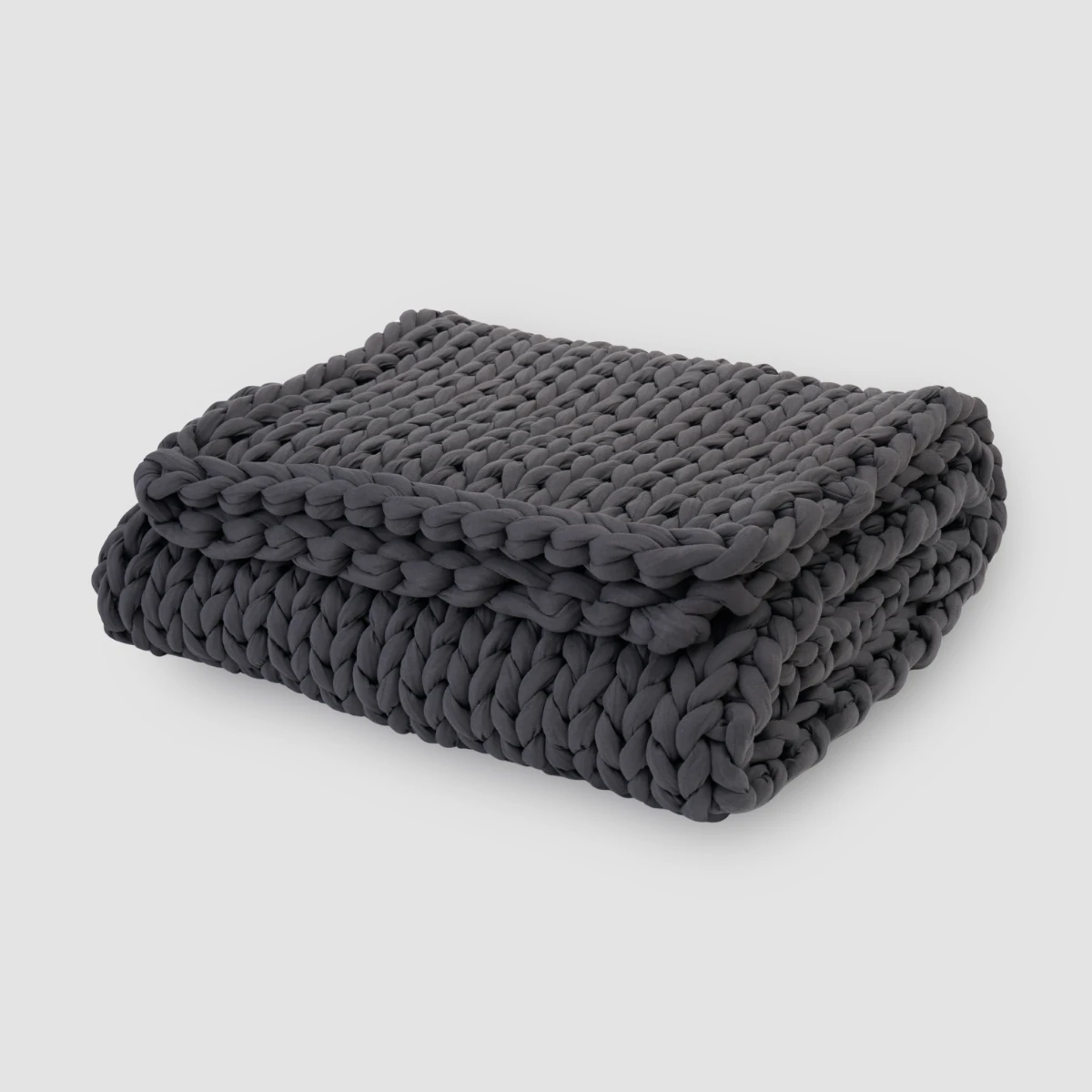
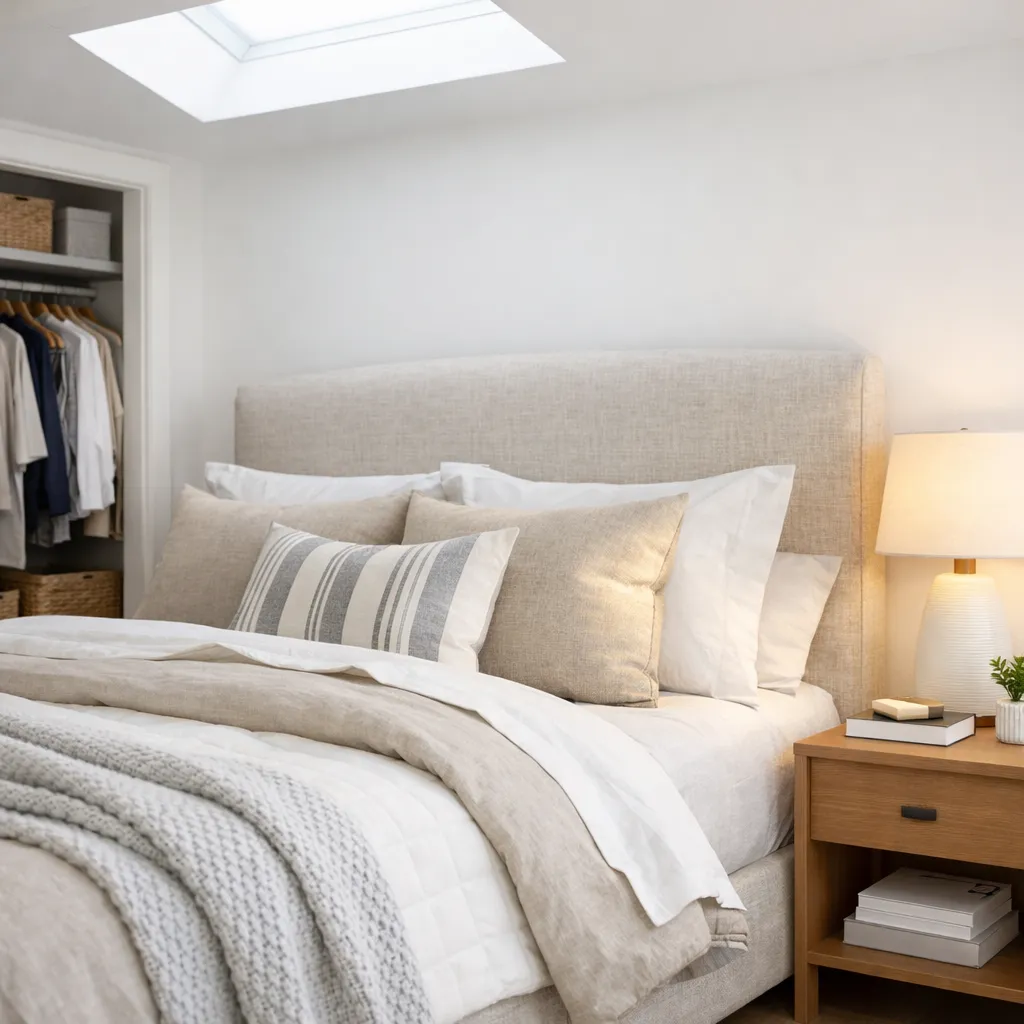
Use breathable sheets and a practical duvet or quilt as the foundation. Add one textured throw and a limited group of pillows rather than a pile that must be moved nightly. Mix texture—linen-look weave, cotton, velvet, knit—while repeating colors. If one textile has a large pattern, let neighboring pieces use smaller motifs or solids.
Consider maintenance before buying fringe, tassels, or loosely woven fabrics. Check care labels, allergies, and whether decorative pieces can be washed. A textured cotton throw blanket can add depth without changing furniture, but natural-looking does not automatically mean easy-care. Keep bedding away from space heaters, candles, and hot lamps.
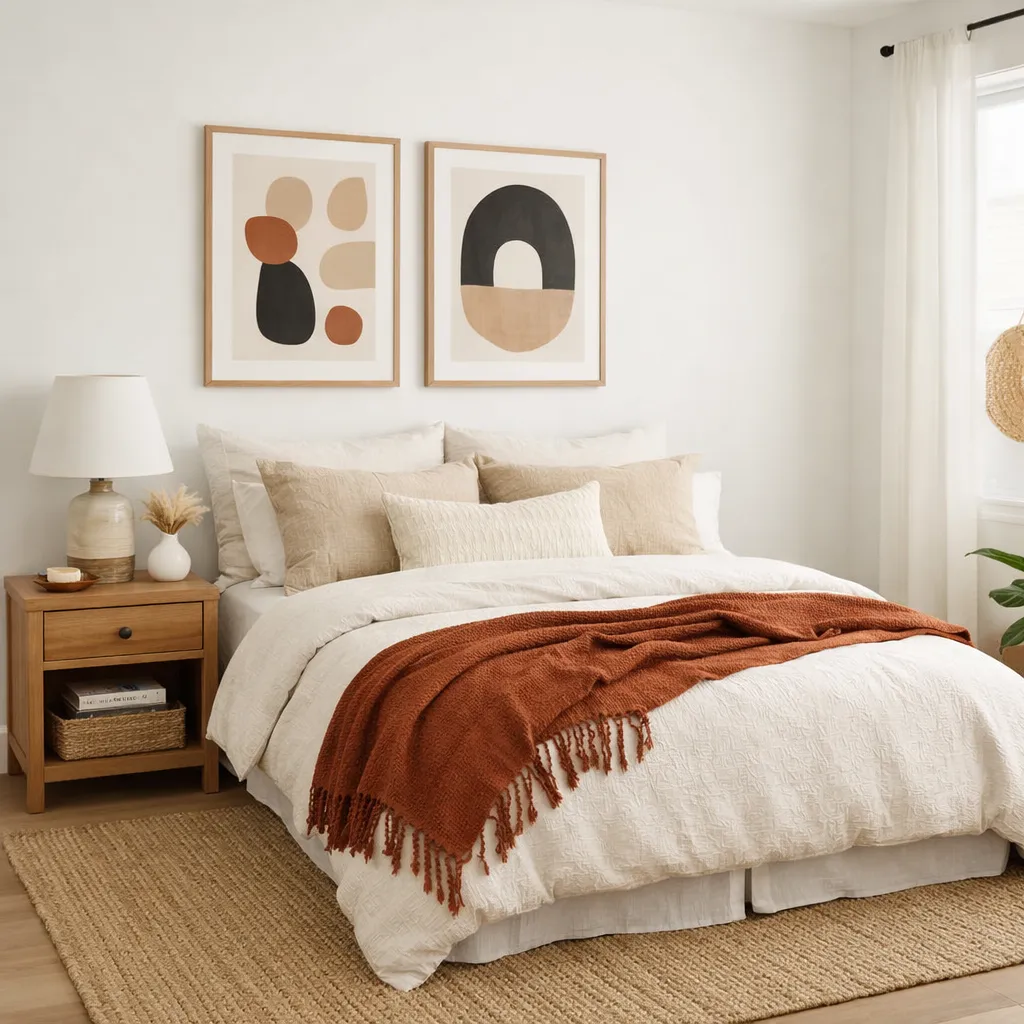
Add Texture Through Rugs, Curtains, and Natural Materials
A rug grounds the bed and softens acoustics. Choose a size that extends far enough to step onto comfortably rather than floating as a small island. Use a suitable nonslip pad and keep edges flat to reduce trips. Vintage-style low-pile rugs are easier to vacuum; deep shag feels plush but traps more dust and may be unsuitable for allergy-sensitive rooms.
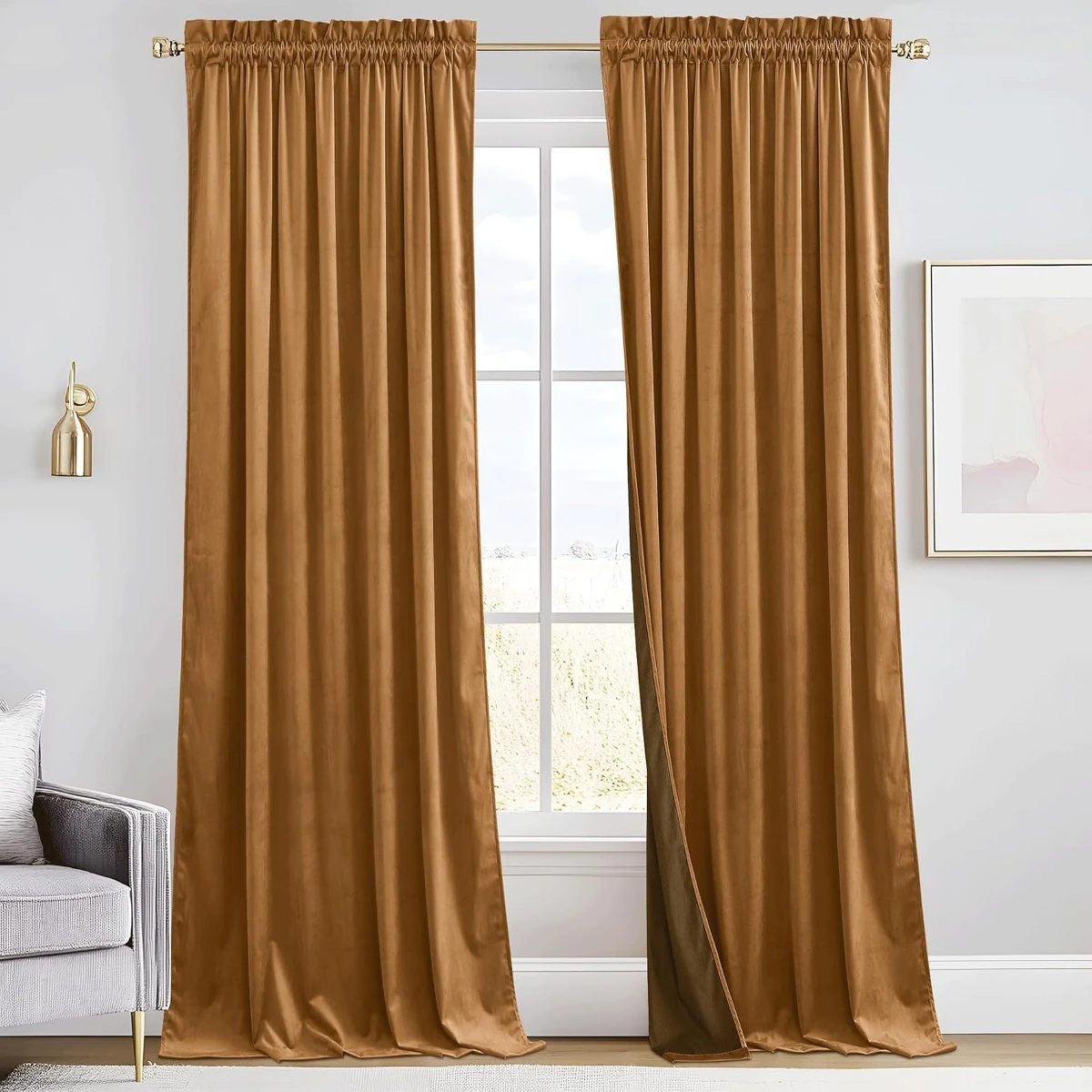
Curtains bring softness and control light. Hang them securely and keep fabric clear of radiators and baseboard heaters. Woven baskets, cane panels, ceramic lamps, and unfinished-looking wood add natural texture, but use restraint. Mixing two or three natural materials repeatedly creates cohesion; introducing a new material in every object makes the room feel like a display shop.
Create a Focal Wall Without Overcommitting
The wall behind the bed is the logical focal point. Options include a painted arch, removable wallpaper, a gallery arrangement, one oversized textile, or a distinctive headboard. Renters should verify lease rules and test removable products in a hidden spot because “peel-and-stick” does not guarantee residue-free removal on weak paint.
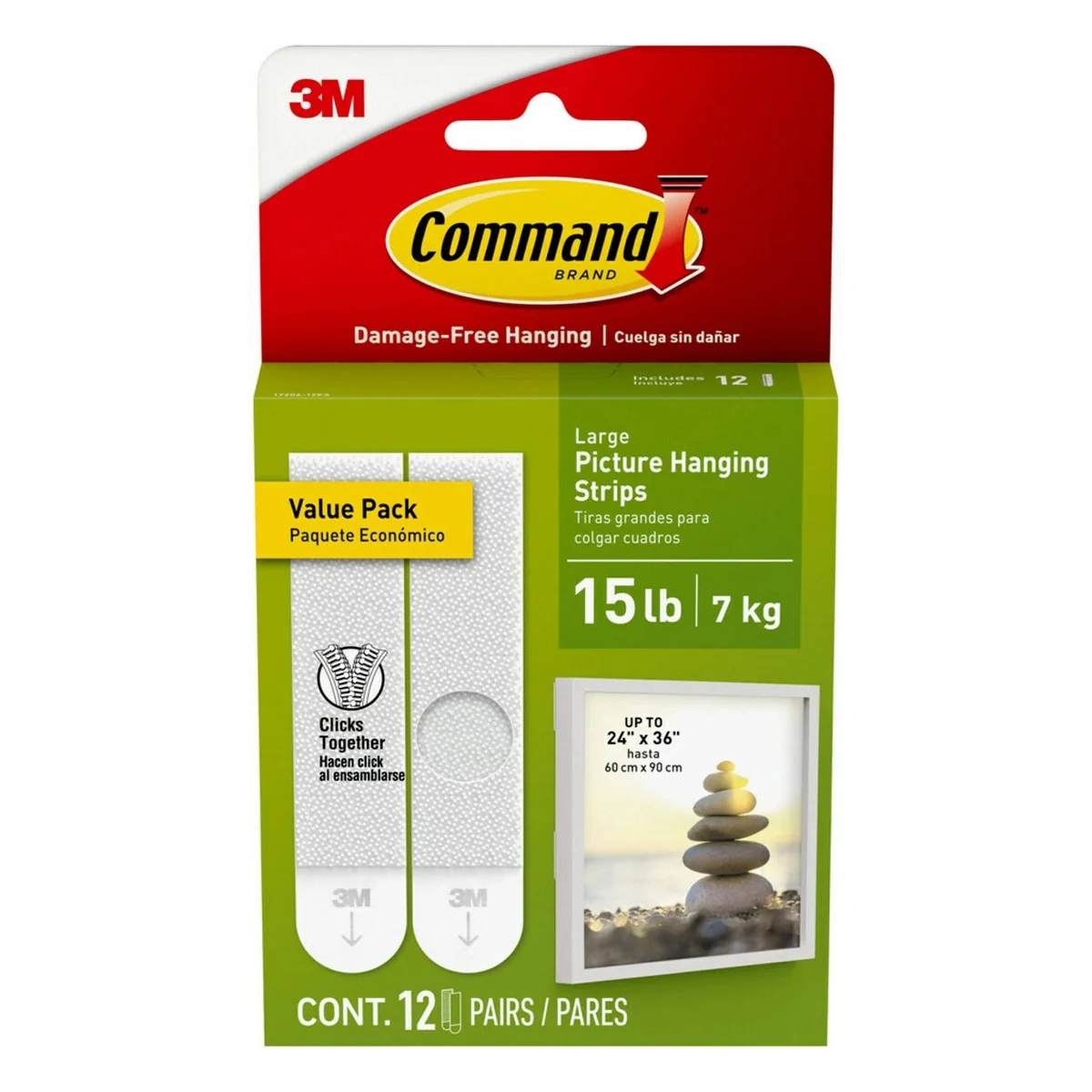
Secure anything mounted above a bed for its weight and wall type. Heavy frames, shelves loaded with pottery, and loosely attached textiles can fall. Do not guess where wiring or plumbing runs before drilling. When uncertain, choose lightweight art in safer positions or hire an installer. A focal wall should make the bed feel anchored without introducing overhead risk.
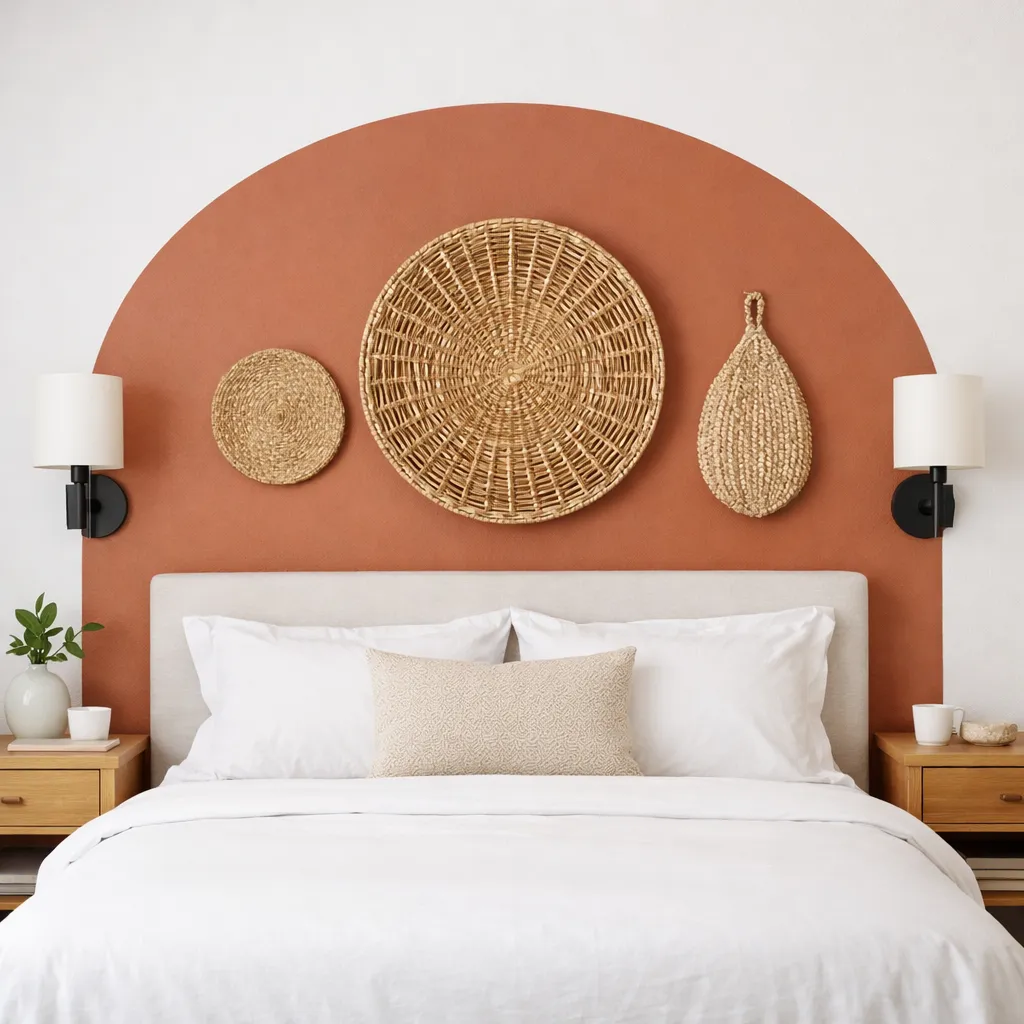
Use Lighting to Make the Room Feel Warm
Plan three layers: ambient light for general movement, task light for reading, and gentle accent light for atmosphere. Warm-toned bulbs often complement wood and earthy textiles, but adequate brightness still matters. Matching lamp heights can calm an eclectic room even when the nightstands differ. Plug-in sconces save surface space if their cords are routed securely.
Avoid running extension cords under rugs or pinching them behind furniture. Do not daisy-chain power strips or overload outlets with lamps, chargers, and heaters. Hardwired sconces, outlet relocation, and ceiling fixture changes should be performed by a licensed electrician. Flameless candles provide glow without placing open flame near bedding, fringe, or dried materials.
Bring in Art, Objects, and Greenery Thoughtfully
Choose art for color and meaning rather than filling a predetermined “boho” checklist. Vintage prints, abstract work, travel photography, baskets, and personal objects can coexist when frames or tones repeat. Leave some blank wall area so special pieces remain visible. Thrifted objects can reduce cost, but clean and inspect fabric, baskets, and wood before bringing them into a sleeping space.
Plants are optional, not mandatory. Select species only after considering light, humidity, pets, and care capacity; otherwise use dried branches where safe or a convincing artificial plant. Keep soil and water away from outlets and wood surfaces. Large planters need stable bases and should not narrow exit paths. The room can feel natural through wood, linen, clay, and botanical art even without living plants.
Improve Storage Without Losing the Relaxed Look
A relaxed room is not the same as a cluttered one. Use closed storage for visually noisy items and open storage for a small, edited selection. Under-bed boxes, a drawer nightstand, and a lidded basket can absorb everyday belongings. Measure under-bed clearance and avoid blocking ventilation or heating equipment.
Trays help organize jewelry, glasses, and chargers. Hooks can hold tomorrow's outfit, but install them for the expected load. If a room lacks a closet, one sturdy rail is better than a collection of unstable racks. Tall furniture may require anti-tip restraint following manufacturer guidance, especially in homes with children or in earthquake-prone regions.
Refresh Furniture Instead of Replacing Everything
Wood tones do not need to match exactly. Repeat each tone at least twice or connect pieces with shared hardware. A sound dresser can be cleaned, fitted with compatible pulls, or painted after proper preparation. A plain nightstand gains character from a ceramic lamp and woven tray. Do not paint valuable vintage furniture before understanding its finish and condition.
Build the makeover in phases. Phase one might be layout, decluttering, and lighting; phase two, bedding and rug; phase three, art and smaller details. This sequence uses the same high-impact logic as living room makeover ideas on a budget: address function first and delay decoration until the room reveals what is missing.
Use This Quick Makeover Checklist
| Priority | Action | Budget-friendly route |
|---|---|---|
| Layout | Improve bed placement and circulation | Rearrange existing furniture |
| Palette | Choose one neutral and 2–3 accents | Use textiles instead of repainting |
| Comfort | Upgrade light control and bedding | Add a washable throw and curtains |
| Texture | Introduce rug, wood, or woven detail | Buy secondhand after inspection |
| Lighting | Add task and ambient layers | Reuse lamps with coordinated shades |
| Storage | Hide routine clutter | Use labeled under-bed boxes |
| Personality | Display meaningful art | Reframe pieces already owned |
Pause after each stage and live with it for several days. Daylight, bedtime routines, and cleaning will expose needs that a mood board cannot. Returning unused purchases is easier than designing around them.
Avoid Common Boho Makeover Mistakes
The biggest mistake is purchasing too many small accessories before solving layout, storage, and lighting. Another is using every motif—macramé, rattan, fringe, tribal-inspired prints, plants, and pampas grass—in equal quantities. Choose a few elements and allow repetition to establish the style. Be cautious about culturally specific objects; understand and credit their origin rather than using sacred or ceremonial designs as anonymous decoration.
Also avoid unsafe hanging installations, untreated open flames, blocked vents, loose rug corners, and overloaded outlets. Dried grasses can shed and ignite easily, while heavy canopies collect dust and need secure support. Comfort, air quality, and safe exits matter more than achieving a photograph-ready look.
Know When to Call a Professional
Most textile and styling changes are DIY-friendly. Hire a licensed electrician for hardwired lighting or outlet work, and a qualified installer for heavy wall-mounted cabinetry or uncertain wall construction. Repair water stains, persistent dampness, damaged plaster, or suspected mold before covering the area with furniture or wallpaper.
A designer can help when the room has difficult proportions or costly purchasing decisions, but professional support is not required for a strong refresh. Even a short consultation may prevent expensive scale mistakes. For painting tall ceilings or moving very heavy furniture, hiring help can also reduce fall and lifting risks.
Frequently Asked Questions
Can a boho bedroom still look minimal?
Yes. Use a restrained palette, one or two patterns, natural texture, and meaningful objects with generous blank space. Boho character comes from layering and individuality, not object count.
What should I buy first?
After measuring and fixing the layout, prioritize the item that improves comfort most—often curtains, bedding, lighting, or a rug. Accessories should come later.
How do renters create a boho look?
Use reversible textiles, freestanding furniture, plug-in lamps, removable products tested on a hidden area, and lightweight art installed within lease rules. Save original hardware.
How many patterns can I mix?
There is no fixed number, but varying scale and repeating colors keeps combinations controlled. Start with one dominant pattern, one smaller pattern, and solids; add only if the room still feels balanced.
Is matching furniture necessary?
No. Connect different pieces through scale, repeated wood tones, shared hardware, or coordinated lamps. Avoid random mismatch by repeating each important finish elsewhere.
A boho bedroom feels convincing when it supports real life: the bed is comfortable, lighting is useful, storage controls clutter, and every decorative layer has room to breathe. Build slowly, choose safely, and let the room become personal rather than perfectly matched.


Share your results
Reader transformations
Have you tried this makeover? Share your experience below.