A bathroom can feel noticeably cleaner, calmer, and more intentional without moving plumbing or replacing every finish. The best budget bathroom refresh ideas begin with maintenance and visual editing: repair failed caulk, improve lighting, reduce countertop clutter, and repeat a limited palette through paint, textiles, and hardware. Those changes often matter more than adding trendy accessories.
Set a firm spending ceiling before shopping and reserve part of it for unglamorous problems discovered along the way. Renters should obtain written permission before painting, drilling tile, changing hardwired fixtures, or replacing plumbing parts. Homeowners should stop cosmetic work when they find active leaks, soft materials, recurring mildew, unsafe wiring, or poor ventilation; concealing damage is not a refresh.
Start with the room’s condition, not a shopping list
Empty movable items, clean thoroughly, and inspect the room in bright light. Check the vanity base, toilet perimeter, tub or shower edges, ceiling, exhaust grille, and flooring transitions. Discoloration alone does not diagnose mold or a leak, but bubbling paint, swollen cabinet panels, loose flooring, musty odor, or caulk that remains wet deserves investigation before decorating.
Then photograph each wall and identify the three elements creating the most visual noise. They might be yellowed caulk, mixed metal finishes, exposed packaging, a harsh bulb, or too many small decorations. Fixing those specific issues produces a more coherent result than buying an unrelated “bathroom set.” Measure walls, windows, vanity width, mirror, and clearances before ordering anything.
| Priority | Low-cost move | Avoid |
|---|---|---|
| Clean appearance | Replace failed caulk correctly | Caulking over dirty old material |
| Better light | Match bulb color and output | Exceeding fixture wattage rating |
| Less clutter | Use one closed bin or cabinet organizer | Filling every wall with storage |
| More color | Paint suitable dry-zone surfaces | Painting wet tile without a full system |
| Cohesion | Repeat one or two finishes | Replacing every usable fitting |
Build a realistic mini-budget
Divide the budget into repair, paint and materials, lighting or hardware, textiles, storage, and contingency. Spend first on anything that protects the room: sound sealant joints, a working fan, and stable fixtures. Next fund the largest visual surfaces. Wall paint and a properly scaled mirror can influence the entire room, while small countertop accessories rarely do.
Price the complete project rather than each appealing product. Paint requires cleaner, patching compound, primer where needed, applicators, tape, and safe access equipment. New cabinet pulls may require a drilling template or backplates to cover old holes. A faucet can involve supply lines, shutoffs, and a plumber. Keeping working plumbing in place is often the most reliable budget decision.
Refresh walls with the right paint
In a bathroom’s dry zones, paint offers a high-impact change. Choose a washable interior coating recommended by its manufacturer for humid rooms and prepare the surface carefully. Clean residue, repair flaws, sand where appropriate, prime stains or bare patches, and respect drying times. A soft warm white, muted blue-green, earthy beige, or restrained clay tone can make dated fixed finishes feel deliberate rather than something to fight.
Do not paint active mildew, damp drywall, failing plaster, shower interiors, or tile with ordinary wall paint. Specialized tile systems require exact preparation and may still be poor choices on floors or frequently wet surfaces. Renters can introduce color through a shower curtain, towels, <a href="/products/bambusi-foldable-bamboo-bath-mat/" class="product-inline-link">bath mat</a>, and removable art instead. This same focus on reversible, high-impact changes works in living room makeovers on a budget.
Improve lighting before changing major fixtures
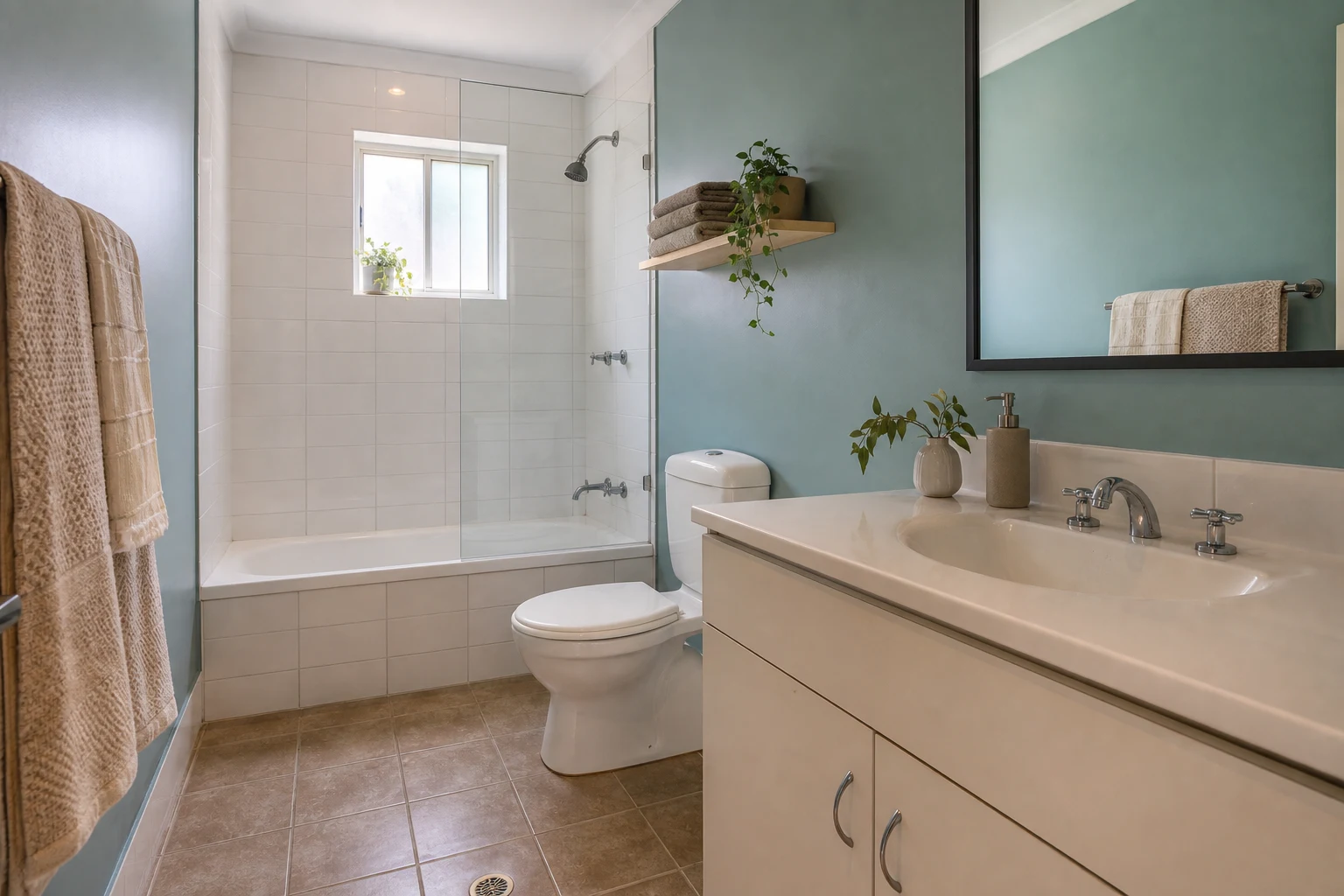
First clean shades and replace dead or mismatched bulbs with compatible bulbs of the same color temperature. Check the fixture label for maximum wattage and bulb type. A bathroom benefits from even facial illumination rather than a single glaring overhead point. If the room has several bulbs, matching them can immediately remove a patchy, dated look.
Plug-in lamps and ordinary extension cords do not belong near sinks, tubs, or showers. Hardwired fixture replacement and new circuits should follow local electrical rules, including required bathroom-rated fixtures and ground-fault protection. Call a licensed electrician if wiring is damaged, the fixture is loose, breakers trip, or required protection is absent. Never work on electrical equipment merely because the wall switch is off; proper circuit isolation and verification are essential.
Update the vanity without replacing it
If the cabinet is dry, structurally sound, and properly anchored, clean it, adjust hinges, and consider new pulls. Existing hole spacing dictates the easiest hardware swap. A cabinet hardware template helps with new holes, but verify plumbing and drawer locations before drilling. Adhesive handles are reversible but may fail in humidity or damage weak finishes.
Painting a vanity can work when the surface is suitable and preparation is thorough. Remove doors and hardware, label parts, degrease, sand or degloss as the coating system requires, prime, and allow a full cure before heavy use. Laminate, thermofoil, and previously failing coatings need special evaluation. Do not paint over swelling or delamination; those indicate water damage that cosmetics cannot correct.
Make the mirror and hardware feel intentional
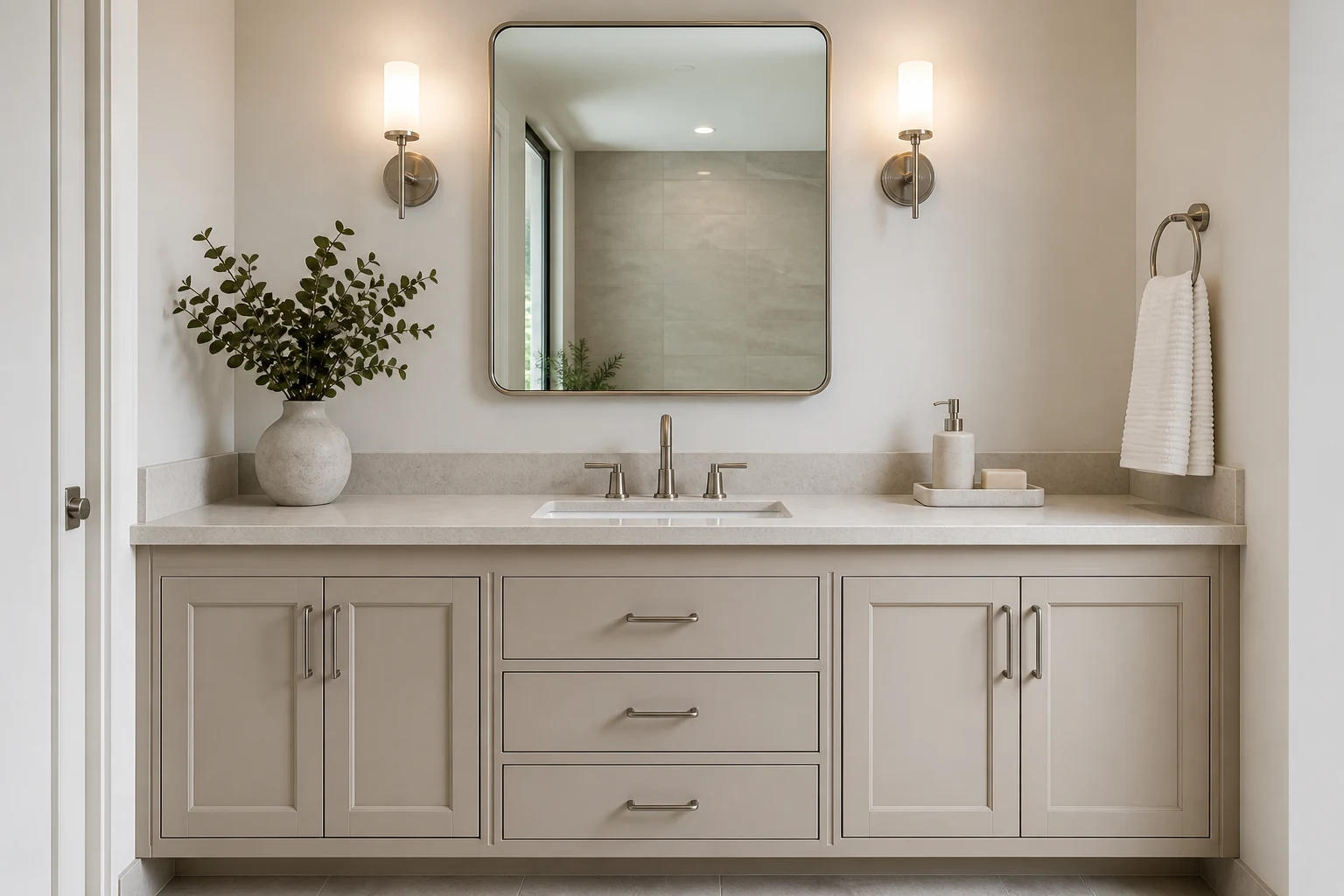
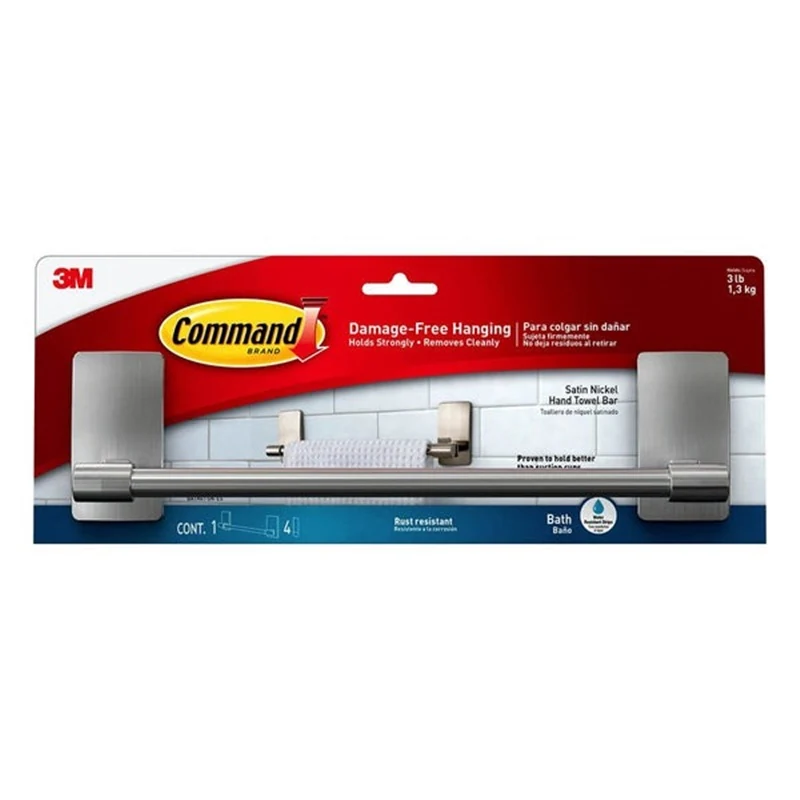
A mirror should fit the vanity and provide comfortable head-and-shoulder visibility without crowding lights or outlets. If the existing plate mirror is secure, a compatible frame kit can make it look finished. Before adding weight or adhesive, confirm the mirror’s mounting and follow product limitations. Renters should favor an approved removable approach rather than risking glass or wall damage.
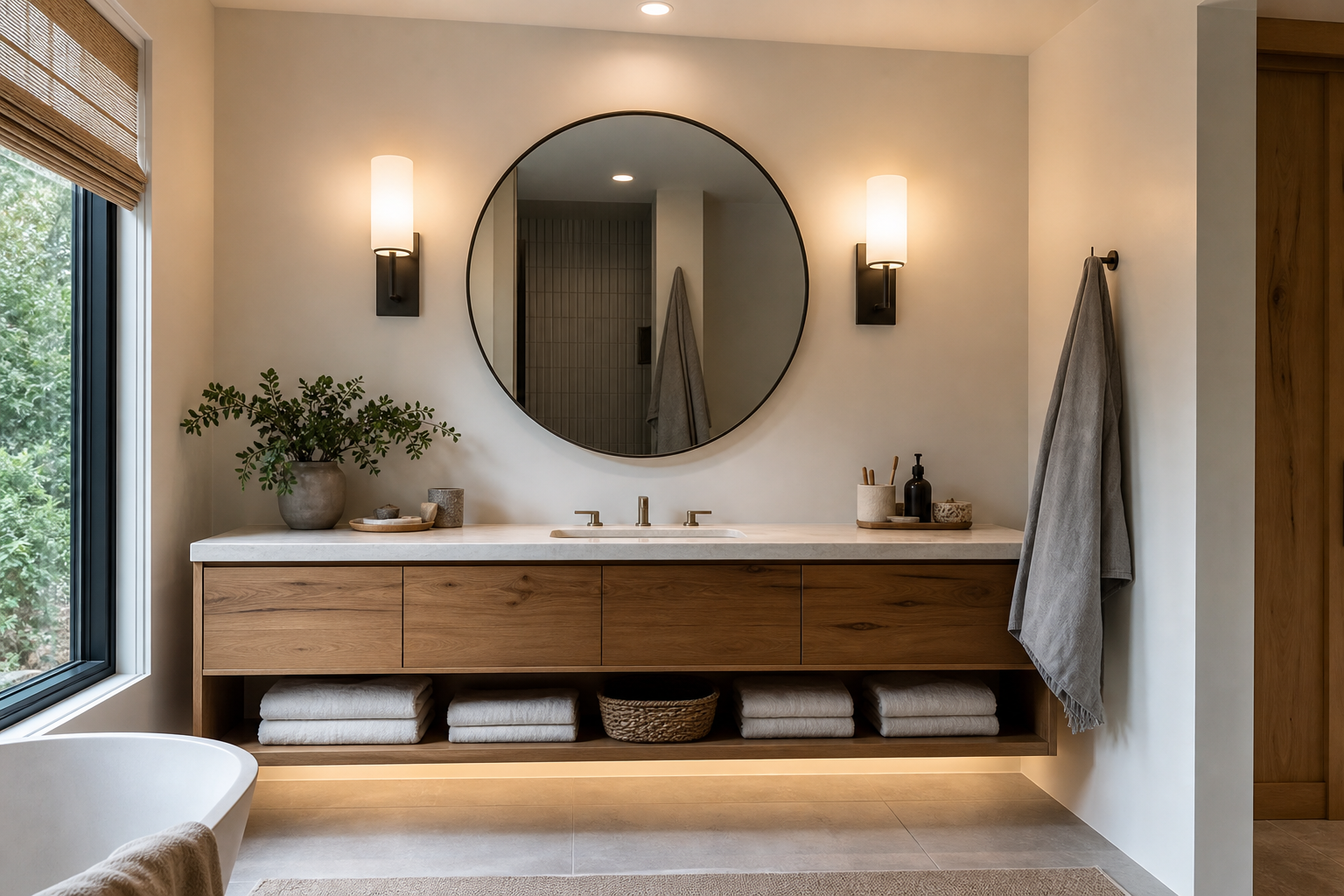
You do not need every metal to match. Two repeated finishes can look collected: for example, keep a chrome faucet and shower trim, then repeat matte black only in the mirror frame and cabinet pulls. Avoid replacing valves or shower trim solely to chase a color trend; visible trim is often tied to a specific in-wall valve. An incompatible part can create leaks or disable safety features.
Replace textiles for a controlled color story
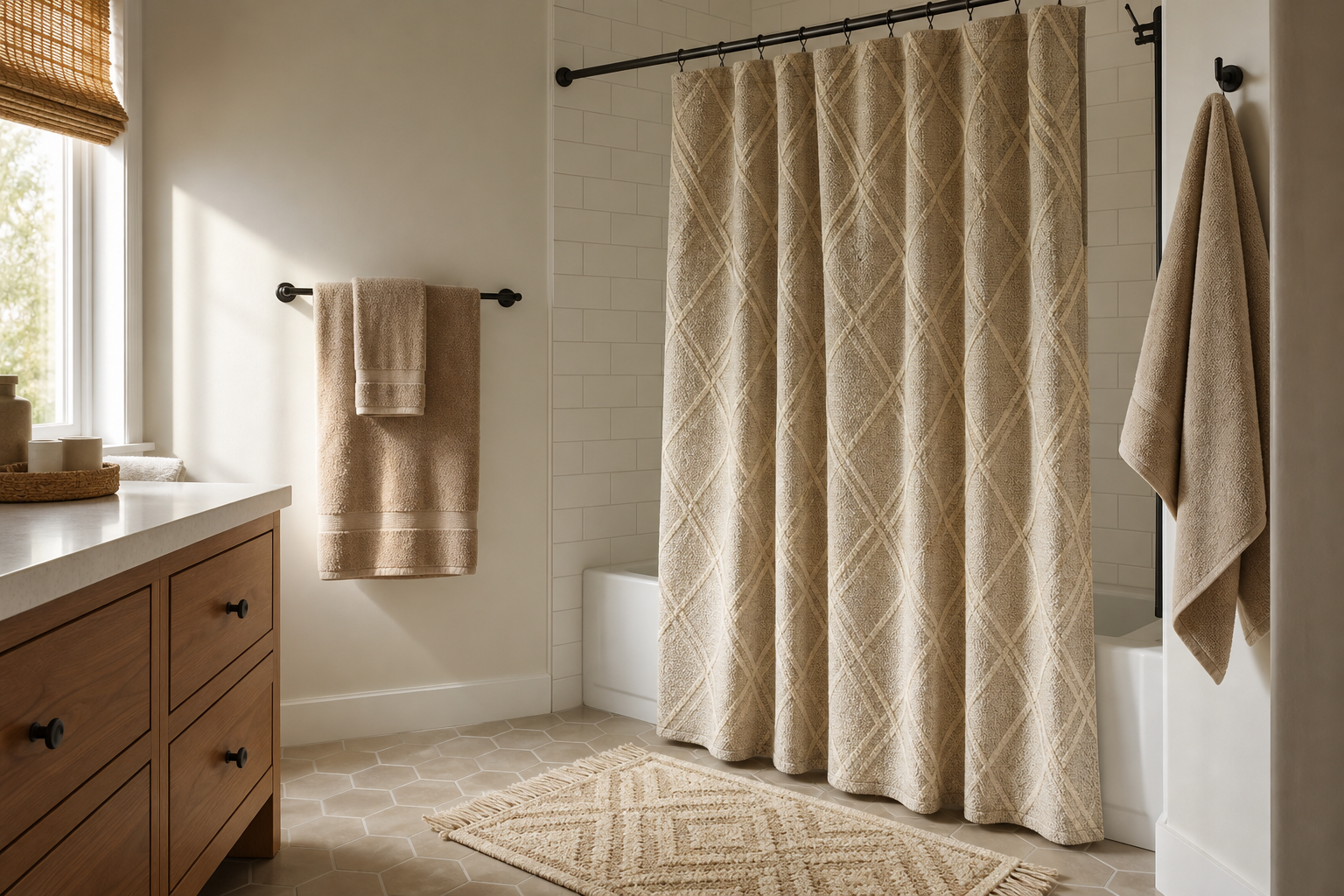
A shower curtain occupies a large visual area and can establish the palette inexpensively. Choose one that suits the actual opening, use a liner where required, and keep fabric from pooling on the floor. Repeat one curtain color in towels or a bath mat, but vary texture so the room does not resemble a packaged set. Washable textiles are practical in a humid space.
Select a bath mat with a slip-resistant backing appropriate for the floor and keep walking routes clear. Avoid thick rugs that block doors or stay wet. A simple washable bathroom runner may make sense in a long room, but verify care instructions and floor compatibility. Replace cracked plastic accessories rather than adding more containers.
Add storage without making the room smaller
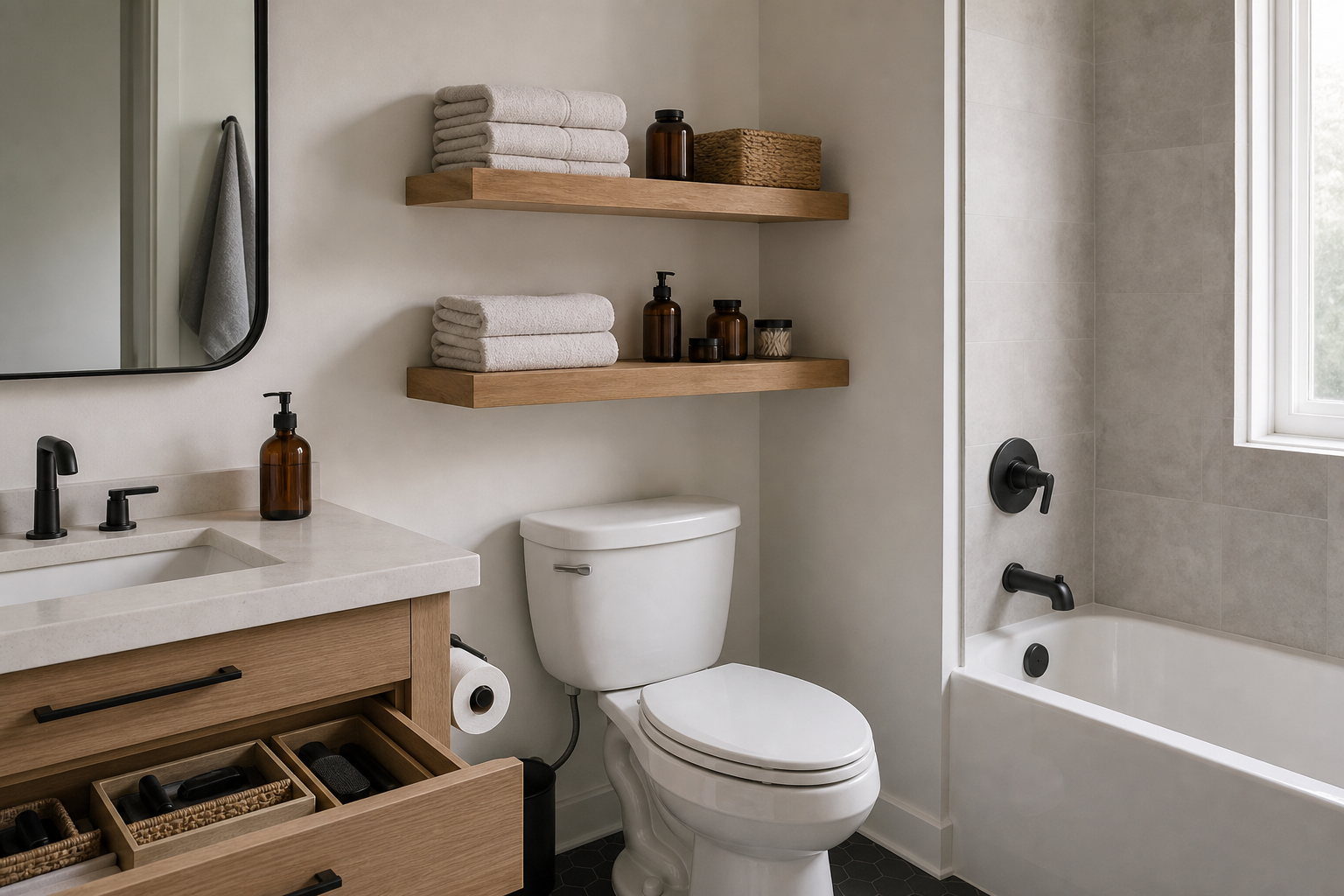
Start by removing expired products and relocating bulk supplies. Store daily items near their point of use and occasional items elsewhere. Drawer dividers, an under-sink bin that leaves plumbing visible, and one shallow wall cabinet can outperform several open baskets. Maintain access to shutoff valves and check periodically for drips.
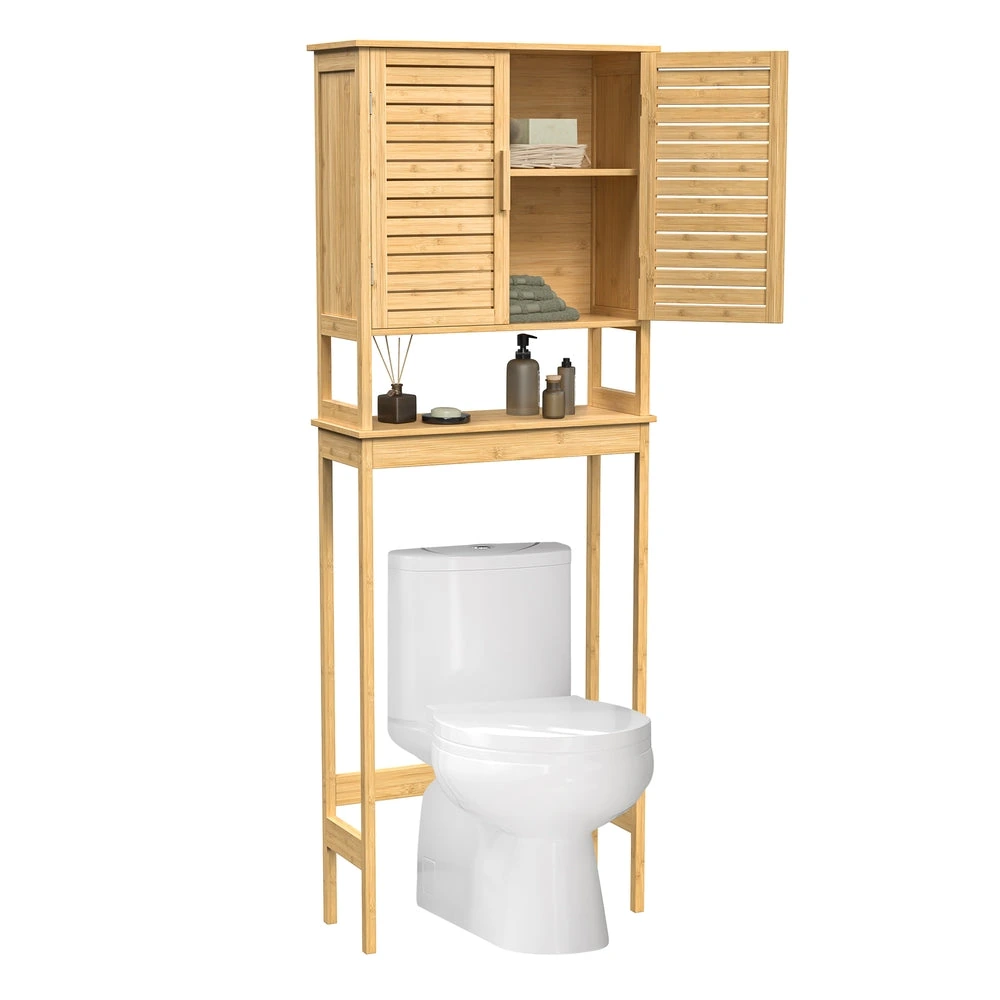
Over-toilet shelving needs enough clearance and secure anchoring so it cannot tip or interfere with the tank. Never drill tile or a wall until you have considered hidden pipes and wiring. A freestanding unit can be renter-friendly if stable and restrained as required by its manufacturer. Use closed storage for packaging and open storage only for a few durable, attractive items.
Renew caulk and grout carefully
Failed caulk around a tub, shower, or backsplash makes the room look dirty and can admit water. Remove deteriorated sealant without damaging surfaces, clean the joint, let it dry completely, and apply a compatible bathroom sealant according to its label. Caulk should bridge a properly sized joint; a thick layer over old caulk is not a durable repair.
Grout can often be cleaned, but crumbling grout, loose tile, movement, or recurring dampness suggests a substrate problem. Grout colorant can improve sound grout when the product is suitable, yet it does not waterproof a failed assembly. Stop DIY work if tile is loose, walls feel soft, or water appears outside the bathing area. A tile professional or plumber can determine whether the defect is cosmetic or structural.
Use peel-and-stick products selectively
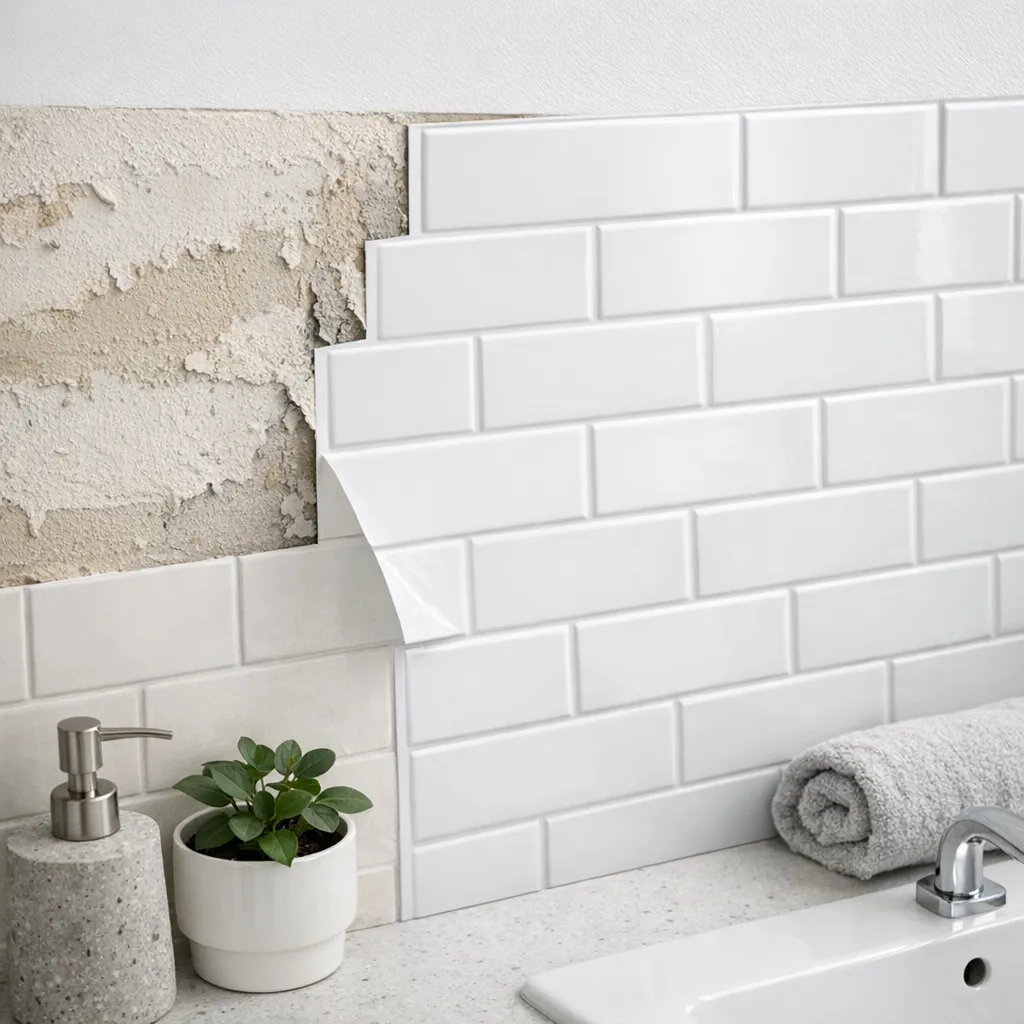
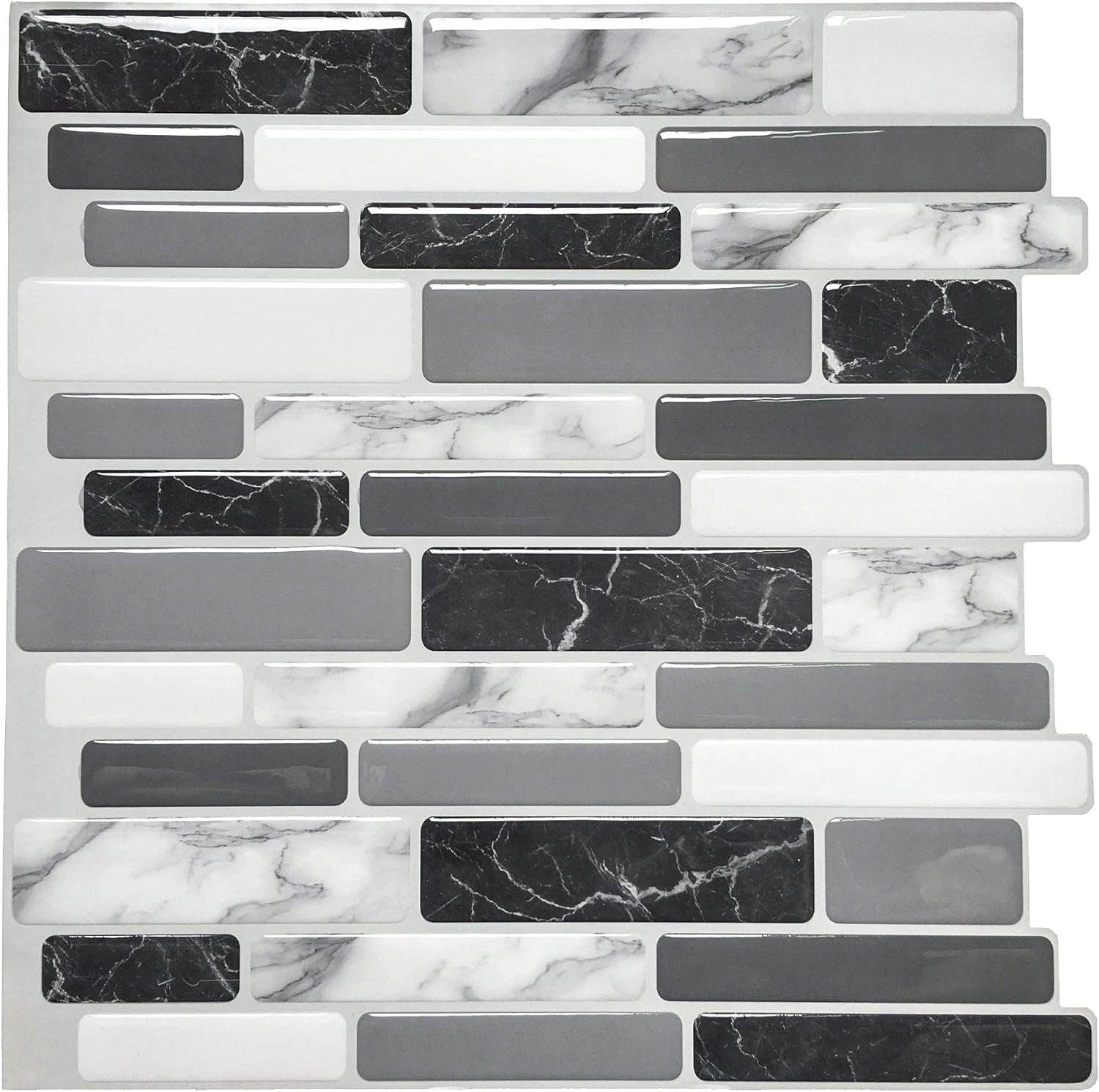
Removable wallpaper can be effective on a dry accent wall with smooth, sound paint. Test a discreet sample for adhesion and clean removal, especially in a rental. Steam and textured walls can cause lifting. Keep products outside shower enclosures and away from surfaces the manufacturer excludes. Buy from one production lot and plan pattern placement before peeling backing.
Peel-and-stick floor products are less predictable because bathroom floors face water, cleaners, and changing humidity. They should not cover loose, damp, or uneven flooring, and they may interfere with door clearance or create edges that trap water. If the current floor is sound but unattractive, a washable mat is often the safer reversible refresh.
Common budget-refresh mistakes
The biggest mistake is treating a leak or ventilation issue as an aesthetic flaw. New paint over damp material will fail, and decorative caulk cannot repair moving tile. Another trap is buying many small products before selecting a palette. The result costs more, adds clutter, and leaves major visual problems untouched.
Also avoid changing plumbing trim without checking compatibility, drilling blindly, blocking an exhaust fan, installing non-rated electrical products, or reducing required clearances. Measure twice and retain receipts. Complete one zone before beginning another so the room remains usable and so you can judge whether additional spending is necessary.
When professional help is worth the budget
Call a plumber for active leaks, unreliable shutoffs, corroded supply lines, movement at fixtures, or work that changes plumbing connections beyond your competence. Use an electrician for hardwired lighting, ventilation wiring, missing ground-fault protection, or recurring trips. A tile specialist is appropriate for loose tile, failed shower assemblies, and suspected water intrusion.
Professional work can preserve a modest makeover budget by preventing damage. Ask for written scope, materials, exclusions, and whether permits are required. Cosmetic work can resume after the cause is repaired and wet materials are properly dried. A refresh should improve a sound room, not make defects harder to see.
Frequently asked questions
What is the cheapest bathroom update with the biggest effect?
Deep cleaning, removing clutter, renewing failed caulk, and coordinating paint or textiles usually create the strongest low-cost change. Which comes first depends on the room’s condition.
Can renters refresh a bathroom safely?
Yes. Focus on removable textiles, freestanding storage, compatible bulbs, countertop organization, and changes approved in writing. Avoid drilling tile, changing plumbing, or altering hardwired fixtures without permission.
Should all bathroom hardware match?
No. One dominant finish plus one repeated accent can feel cohesive. Keeping sound plumbing fixtures often saves more than complete matching adds visually.
Is peel-and-<a href="/products/nuwallpaper-gray-woods-nu1412/" class="product-inline-link">stick wallpaper</a> suitable for bathrooms?
It can suit a smooth dry wall with adequate ventilation if the manufacturer allows humid-room use. Test first and keep it outside wet zones.
How long should a refresh take?
A cleaning-and-textile update may fit into a weekend. Paint and caulk need preparation and curing time, while repairs can extend the schedule. Do not rush drying or coating instructions to meet an artificial deadline.
Share your results
Reader transformations
Have you tried this makeover? Share your experience below.