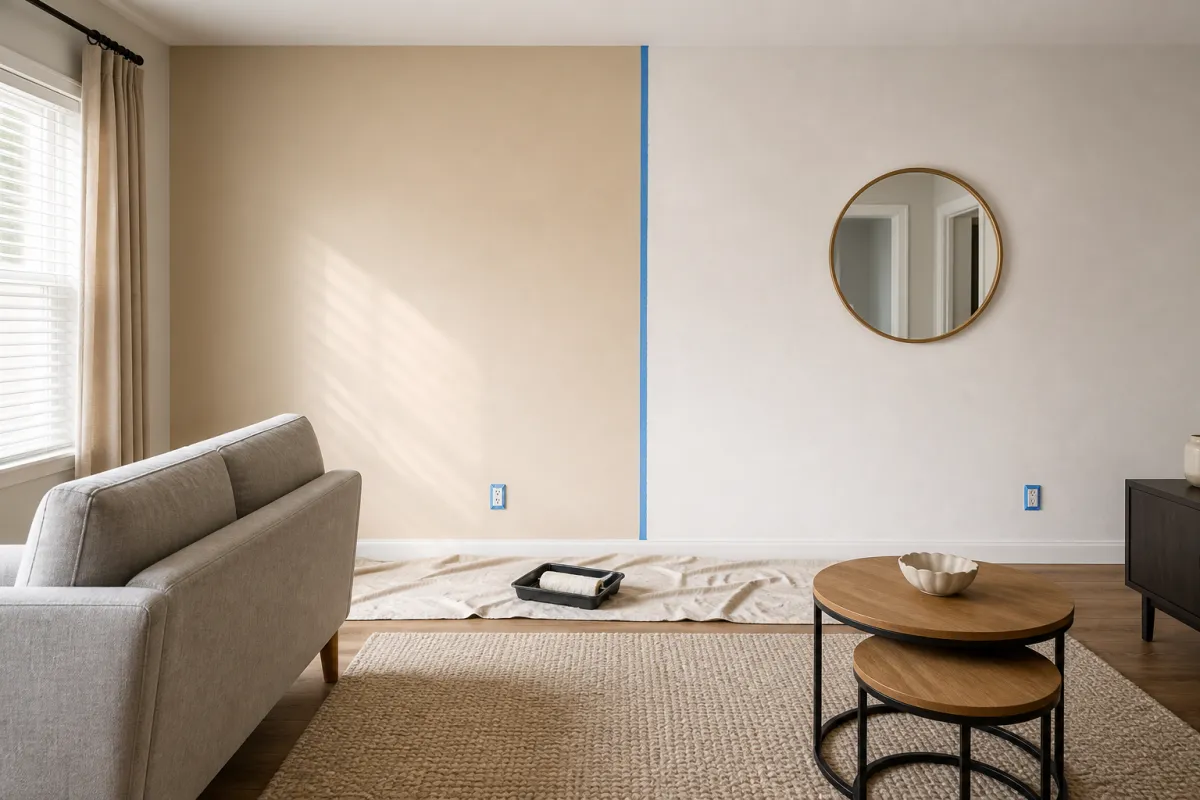
The most effective small living room transformation ideas begin with layout, light, and storage—not a cart full of new decor. Remove what blocks circulation, identify the room’s primary activity, place the largest useful piece first, and create one clear focal point. Then use paint, textiles, lighting, and a few correctly scaled additions to change the room’s character without wasting money or replacing everything.
A transformation should make the room easier to live in, not merely better in a photograph. Keep doorways, vents, outlets, and walking paths functional while choosing upgrades that can move with renters or adapt as needs change.
Audit the room before buying anything
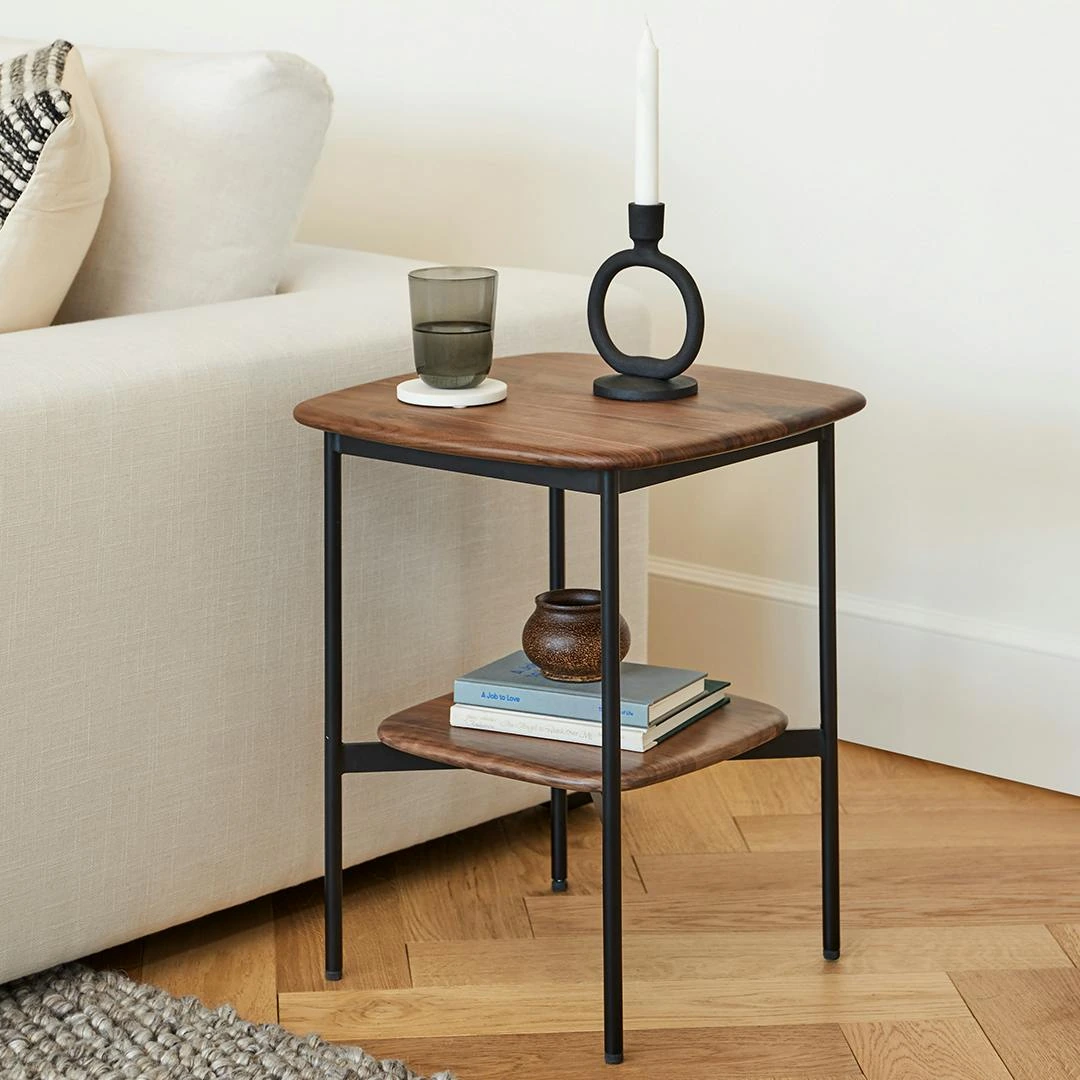
Photograph the room from each entrance, then list what works and what causes friction. Is the sofa too deep, or is a <a href="/products/article-jeppa-walnut-side-table/" class="product-inline-link">side table</a> simply narrowing the path? Does the room lack storage, or are low-use objects occupying the most accessible shelves? Note glare on the television, dark reading corners, inaccessible outlets, and furniture that prevents curtains from opening fully.
Measure walls, windows, door swings, radiators, and existing furniture. Draw a simple plan and mark a primary circulation path. Sort possessions into keep, relocate, donate, and repair groups, but do not discard useful pieces merely to achieve a blank aesthetic. An honest audit can reveal that moving one cabinet and replacing a broken lamp accomplishes more than buying a smaller sofa.
Build the layout around one priority
Decide whether the room’s main purpose is conversation, television, reading, working, or flexible family use. In a conversation room, orient seats toward one another rather than pushing every piece to a wall. For television, control glare and choose a viewing distance appropriate to the screen rather than allowing it to dominate the only window. A work zone needs usable task lighting and cable management.
Place the largest essential item first, usually the sofa, then test chairs and tables. Floating a compact sofa a few inches from a wall may allow curtains to fall cleanly and create depth, while floating it in the center can define an open plan. There is no universal rule: preserve the clearest route and keep furniture from blocking heat sources, floor registers, and emergency exits.
Use a quick transformation priority table
| Problem | First change | Buy only if needed |
|---|---|---|
| Crowded walkway | Remove or reposition furniture | Shallower table or armless chair |
| Dim corners | Reposition lamps and change suitable bulbs | Plug-in sconce or floor lamp |
| Visual clutter | Edit surfaces and group storage | Closed cabinet or baskets |
| Room feels flat | Repeat two or three colors | Pillow covers, rug, or paint |
| No focal point | Reframe art or furniture | One larger artwork or lamp |
| Rental restrictions | Use reversible changes | Removable hardware with approval |
Work down the table in order. Low-cost changes establish whether a purchase solves the correct problem. Moving a lamp may show that a new side table needs a smaller footprint; editing decor may reveal enough existing storage. Set a budget by category and keep a contingency for delivery, hardware, or repairs.
Before purchasing, use tape and cardboard to mock up footprints and wall art. Check return policies and delivered cost, particularly for bulky furniture. Secondhand items can stretch a budget, but inspect stability, odors, pests, and upholstery condition before bringing them indoors.
Make the sofa work harder
A sofa often controls the scale of a small living room. If the existing one is sound, transform it with cleaning appropriate to the fabric, new pillow covers, and a fitted throw rather than replacement. Limit pillows so usable seating remains. A restrained combination of one solid, one subtle pattern, and one texture can look layered without creating daily removal work.
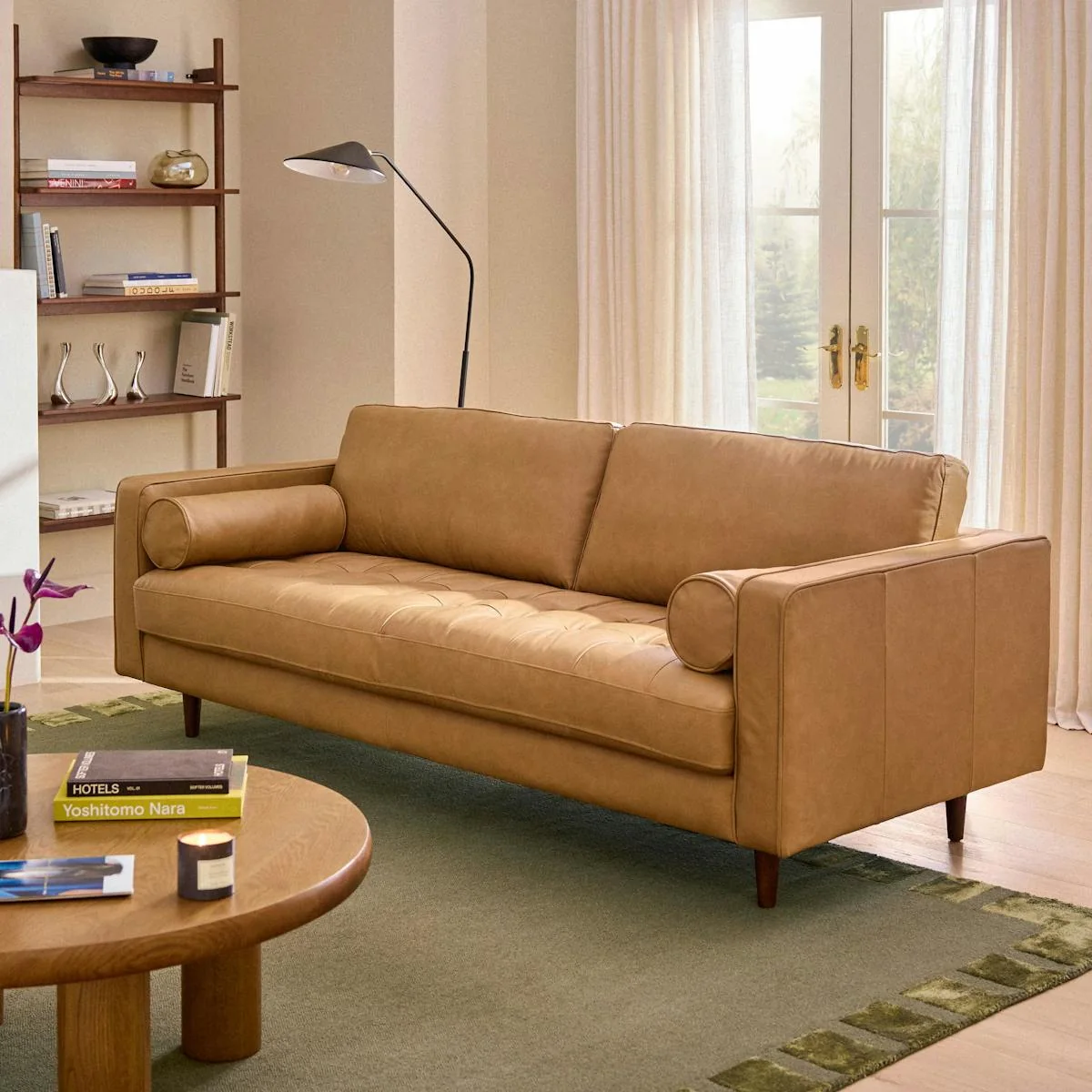
If replacement is necessary, compare outside dimensions, seat depth, arm width, and doorway access—not just seat count. Slim arms can preserve sitting space, while an excessively deep seat consumes floor area. A sleeper or storage sofa may add function but is heavier and requires operating clearance. Verify construction, load ratings, fire-safety labeling where applicable, return freight, and whether the packaged piece can reach the room.
Choose storage that reduces visible noise
Closed storage calms a room more effectively than adding many small decorative containers. A low cabinet can hold games, cables, and paperwork while providing a visual anchor. Wall-mounted storage saves floor area only when the wall and anchors can safely carry it; freestanding narrow cabinets may need anti-tip restraint according to the manufacturer. Never assume drywall alone supports a heavy shelf.
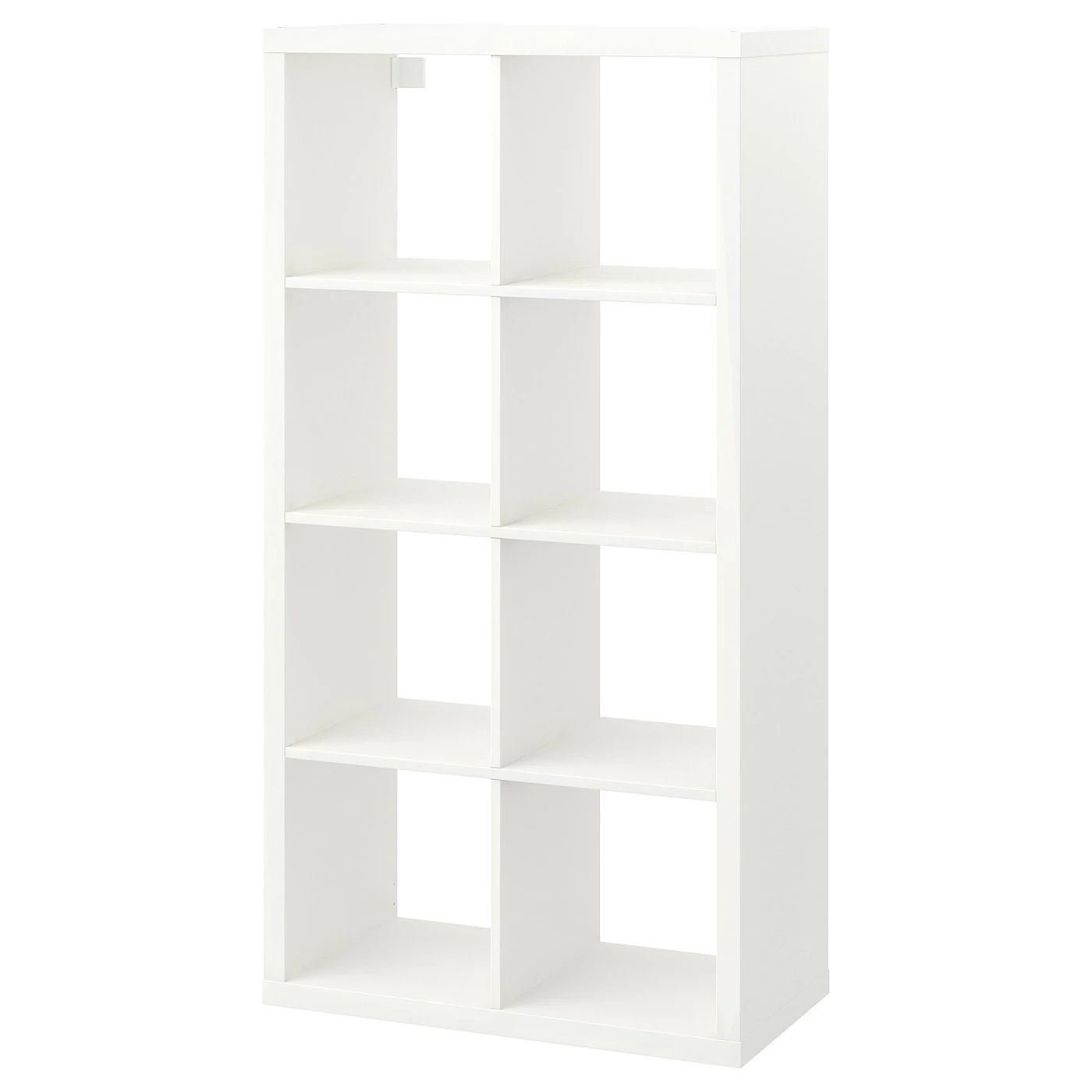
Use vertical space selectively. One tall bookcase can feel calmer than several short units, but it must not block light or create a tipping risk. Keep heavy objects low, follow shelf load limits, and secure furniture as directed—especially in homes with children or seismic risk. Renters should obtain approval before drilling and use reversible freestanding alternatives when mounting is prohibited.
Improve light in layers
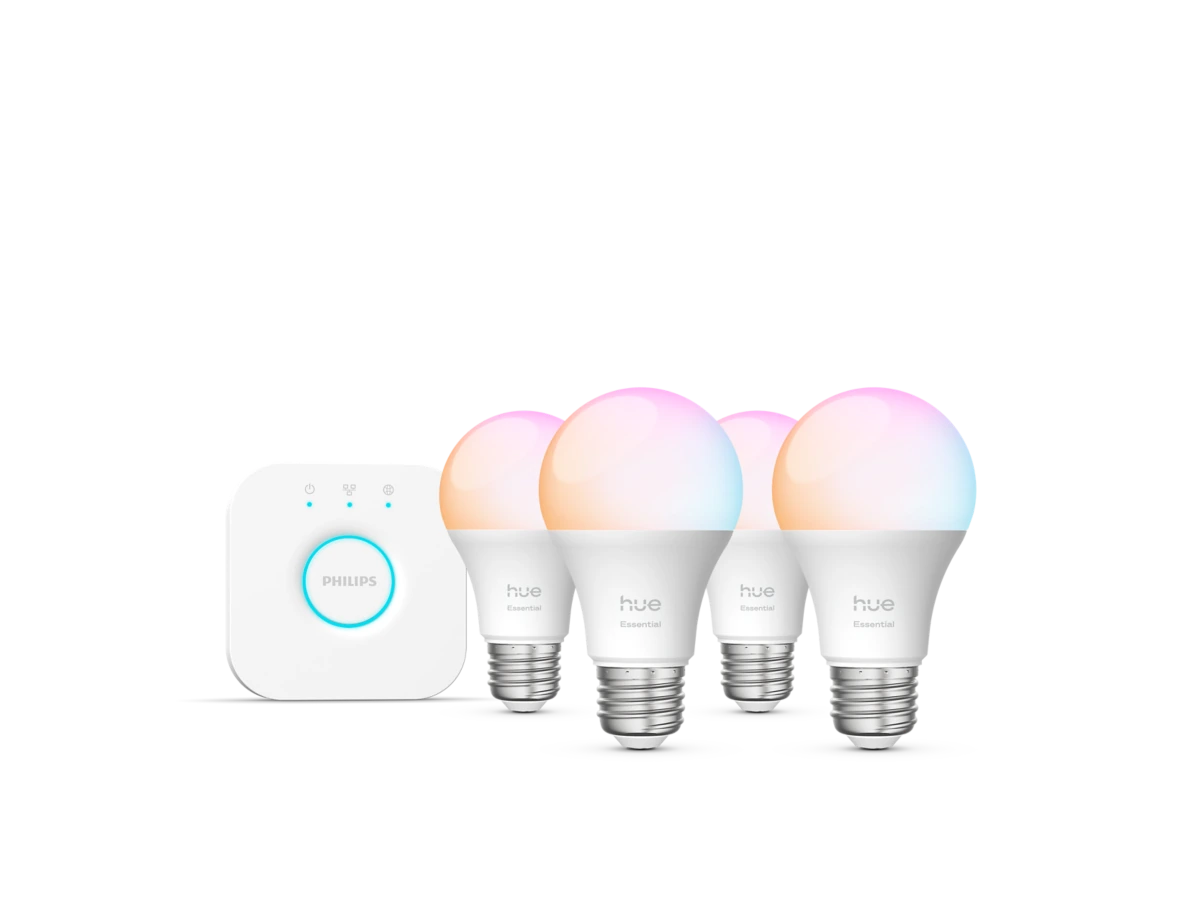
A small room feels larger when light reaches more than the ceiling center. Combine ambient light with a task lamp near reading or work seating and a softer accent source. Place mirrors where they reflect a bright wall or window rather than creating glare. Clean shades and windows, open curtains fully, and use bulbs compatible with each fixture’s wattage and dimming requirements.
Do not route extension cords under rugs or across walkways. Replace frayed cords, hot plugs, buzzing dimmers, and flickering fixtures rather than styling around them. Plug-in sconces can free a tabletop when installed with approved hardware and tidy cord routing. Any new hardwired fixture, altered circuit, or uncertain electrical box should be handled by a licensed electrician.
Change color without making the room busy
Choose a simple palette based on finishes that will remain: flooring, sofa, cabinetry, and major art. A light warm neutral can soften boundaries, but a small room does not have to be white. Muted blue, olive, clay, or a controlled deeper tone can create coherence when repeated in textiles. Keeping wall and trim colors related may reduce visual chopping.
Test large paint samples in daylight and electric light before committing. A north-facing room can make cool colors grayer; warm bulbs can turn cream yellow. Prepare surfaces and solve dampness before painting. Ventilate according to product instructions, protect eyes and skin, and investigate lead-safe requirements before disturbing older coatings. Renters need written permission for paint or should use textiles and large removable art to introduce color.
Use rugs and curtains to correct proportions
A rug should connect the seating group rather than float like a small island. Ideally, at least the front legs of the main seating pieces rest on it, where room geometry permits. Tape the size before buying and check door clearance, floor vents, and trip-prone curled edges. A low-pile rug is easier for rolling furniture and some mobility needs; a pad can improve grip if compatible with the floor finish.
Mounting curtains above and somewhat beyond the window frame can make windows feel larger and allow panels to stack away from glass. Floor-length panels usually look clean when they hover slightly above the floor, but keep fabric away from radiators, heaters, vents, and damp surfaces. Secure rods with fasteners suited to the wall and total load; heavy lined drapery may require studs or rated anchors.
Create one focal point and edit around it
A focal point may be a fireplace, large artwork, media wall, window, or distinctive table. Let it lead, then reduce competition nearby. Several tiny frames scattered across multiple walls can make a small room feel fragmented. Group a collection intentionally or use one larger piece scaled to the furniture below. Blank space is part of the composition, not an unfinished area that requires filling.
Art and shelves must be installed safely. Check for hidden wiring and plumbing before drilling, use rated anchors for the wall type, and keep heavy objects away from seating where a failure could injure someone. Avoid open flames as decorative accents; battery lighting can provide glow without candle fire risk. If using candles, follow fire-safety guidance, maintain clearance, and never leave them unattended.
Add flexible furniture instead of more furniture
Nesting tables, a small C-table, folding chairs stored elsewhere, and an ottoman with a tray can provide occasional function without permanently filling the room. Mobility is useful only when pieces remain stable and easy to move. Check load ratings and do not use a table or storage ottoman as seating unless it is designed for that purpose.
Choose pieces that solve two genuine needs rather than products marketed as multifunctional but awkward at both. A storage coffee table is helpful if its lid can open without moving the sofa. A wall desk works only if a chair and work posture fit. Measure mechanisms in their open positions and preserve finger clearance. Fewer well-chosen flexible pieces usually outperform many miniature items.
Transform the room in budget phases
Start with a no-cost weekend: empty surfaces, clean, repair loose hardware, test layouts, and relocate lighting. In the next phase, add paint or one major textile such as a rug or curtains. The final phase should target the unresolved function—perhaps closed storage, one correctly scaled table, or a better reading lamp. Pausing between phases prevents reactionary purchases.
Track spending including delivery and tools. Prioritize durable high-contact items and save on easily changed decor. Buy secondhand solid furniture when condition is verifiable, but be cautious with used upholstered pieces that cannot be inspected and cleaned. Avoid financing a purely cosmetic makeover if payments would outlast enthusiasm for the style. Transformation comes from coherence and function, not from completing every trend.
Avoid mistakes that shrink the room
Pushing every item against the perimeter can create an empty center and weak conversation. Buying only tiny furniture can make the room look like a collection of unrelated fragments. Too many high-contrast colors, undersized rugs, exposed storage bins, and competing accent walls increase visual noise. Correct scale and a repeated palette matter more than the number of objects.
Do not block doors, vents, outlets, or access panels. Avoid placing tall furniture where it reduces window light or becomes a tip hazard. Never mount heavy shelves with unverified anchors, conceal extension cords under rugs, or paint over moisture damage. If a makeover reveals a persistent leak, burning smell, warm outlet, significant crack, or mold-like growth, stop cosmetic work and obtain qualified help.
Know when to call a professional
Use a licensed electrician for hardwired lighting, new outlets, recurring trips, hot or damaged receptacles, or uncertain circuits. A contractor or appropriate specialist should assess structural wall changes, significant cracks, water intrusion, suspected hazardous materials, and built-ins that require secure support. Do not remove a wall or alter a fireplace merely to improve furniture flow without confirming safety and permissions.
Professional curtain or art installation may be worthwhile for masonry, very high walls, oversized pieces, or uncertain substrates. Renters should involve the property owner for leaks, wiring, heating equipment, and permanent alterations. A designer can help with a difficult plan, but accurate measurements, photographs, and a clear budget make even a short consultation more productive.
Frequently asked questions
What is the cheapest way to transform a small living room?
Edit clutter, deep-clean, move furniture, and redistribute existing lamps first. These changes reveal which purchase, if any, will have the greatest effect.
Does dark paint make a small room look smaller?
Not always. A cohesive deeper color can blur boundaries and create depth, provided lighting is adequate and the palette is controlled.
Should all furniture be small-scale?
No. One properly sized anchor piece with slimmer supporting furniture often looks calmer than many tiny pieces.
How can renters create a transformation?
Use layout, freestanding lighting, textiles, removable art, furniture, and approved reversible hardware. Obtain written permission for paint or drilling.
What should I buy first?
Buy only after measuring and testing the layout. The first purchase should solve the biggest remaining functional issue, such as lighting, storage, or seating.


Share your results
Reader transformations
Have you tried this makeover? Share your experience below.